Product Details
- Product Name: Pool Tool 104C Zinc Anodes for Chlorine-Generator Salt Water Pool
- Product Type: Inline anti-electrolysis zinc anode
- Model/Part: Pool Tool 104C / 104C-1, verify exact part number before publishing
- Connection Size: Listed as 1-1/2 inch inline connection
- Use For: Saltwater pools and chlorine generator systems
- Main Function: Helps reduce corrosion risk by acting as a sacrificial zinc anode
- Best For: Pools with metal ladders, rails, heaters, lights, fittings, and connected pool equipment
- Installation Type: Inline installation, verify plumbing and bonding requirements before use
- Package Includes: Confirm zinc anode, copper wire, clamp, gasket, and hardware before publishing
- Maintenance: Inspect regularly and replace when the zinc has worn down
Zinc Anode for Saltwater Pool Protection
The Pool Tool 104C is made for saltwater pool systems where corrosion protection is an important part of equipment care. In a salt pool, electrolysis can affect metal parts over time, especially when water balance, bonding, or salt levels are not maintained correctly.
A zinc anode helps by acting as a sacrificial metal component. Instead of letting corrosion attack expensive equipment first, the zinc anode is designed to break down gradually. This makes it a useful add-on for pools using a salt chlorine generator and other metal-connected pool parts.
How This Anti-Electrolysis Anode Helps
This inline zinc anode can help support protection for common metal pool components such as heaters, rails, light rings, ladders, and stainless steel fittings. It is not a replacement for proper bonding or water balancing, but it can be part of a stronger maintenance setup for a saltwater pool.
If your system includes a salt chlorine generator cell, keep the cell clean and inspect both the cell and anode as part of routine pool care. A scaled salt cell, low salt reading, or worn anode can affect system performance and may lead to equipment issues over time.
Compatibility and Installation Notes
Before installing this product, confirm that the 1-1/2 inch inline style matches your pool plumbing. The anode should be installed in the correct direction and location according to the manufacturer’s instructions. If your pool equipment is bonded, make sure the bonding connection is handled properly.
This product is best used with a compatible saltwater chlorine generator system where corrosion control is needed. If you are not sure about plumbing size, bonding wire placement, or electrical safety, ask a qualified pool technician before installation.
Water Balance and Maintenance
A zinc anode performs best when the pool water is properly balanced. Test salt level, pH, alkalinity, calcium hardness, and sanitizer level regularly. Poor water chemistry can speed up corrosion and reduce the useful life of pool equipment.
Use salt water swimming pool test strips as part of routine maintenance so the water stays within the correct range for your salt system. The anode should also be checked during normal service and replaced when it becomes heavily worn, scaled, cracked, or reduced in size.
When to Replace the Zinc Anode
Replace the anode when most of the zinc has worn away or when it no longer looks structurally sound. A completely consumed anode cannot provide the same sacrificial protection. Check it more often if your pool has high salt levels, heavy usage, metal staining, or visible corrosion around equipment.
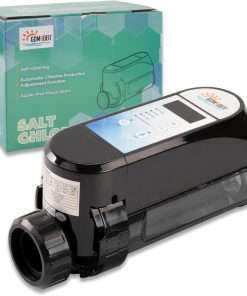
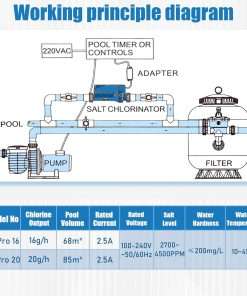
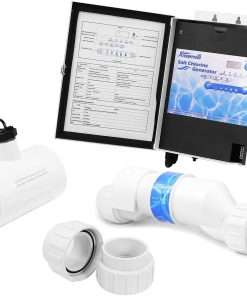
If you are upgrading or comparing systems, check whether your current pool salt chlorinator requires additional corrosion protection or specific installation accessories. Matching the correct anode, salt cell, and controller setup can help reduce future maintenance problems.