


Salt Chlorine Generators
AquaCal Autopilot DN1 Digital Nano 115-volt Salt Chlorine Generator for Pools, 22000-Gallon

Salt Chlorine Generators
AquaCal Autopilot DN2 Digital Nano 220-volt Salt Chlorine Generator for Pools, 22000-Gallon

Salt Chlorine Generators
AquaCal Autopilot DNP1 Digital Nano Plus 115-volt Salt Chlorine Generator, 28000-Gallon

Salt Chlorine Generators
AquaCal Autopilot DNP2 Digital Nano Plus 220-volt Salt Chlorine Generator, 28000-Gallon


Salt Chlorine Generators
AquaChek 561140A Salt Water Swimming Pool Test Strips – White


Salt Chlorine Generators
Aquachek 561161 Swimming Pool White Salt Titrators Test Kit Strips, 40 Count


Salt Chlorine Generators
Autopilot DIG-42 Pool Pilot Digital Salt Chlorine Generator, DIG220_94107_APK0004


Salt Chlorine Generators
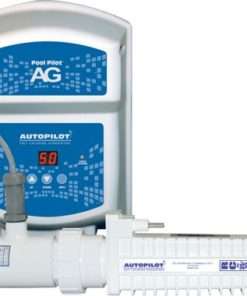
AutoPilot DN1 Salt Chlorine Generator – Pool Pilot Digital NANO 115V System


Replacement Kit
Salt Chlorine Generators


Detail Description
What type of pool water is best?
There are many different types of pool water, each with its own advantages and disadvantages. The type of pool water that is best for you will depend on your specific needs and preferences.One popular type of pool water is salt water. Salt water pools are less likely to cause skin irritation and are often more comfortable to swim in than other types of pools. However, salt water pools can be more expensive to maintain than other types of pools and may not be ideal if you have young children or pets.Another type of pool water is chlorinated water. Chlorinated pools are effective at killing bacteria and preventing the spread of disease. However, chlorinated water can dry out your skin and hair and may cause irritation for some people.Finally, there are ozone-treated pools. Ozone-treated pools have fewer chemicals than chlorinated pools and may be less irritating to your skin and eyes. However, ozone-treated pools can be more expensive to install and maintain than other types of pools.
Why is my salt water pool not making chlorine?
If you have a salt water pool, you may have noticed that it’s not making chlorine like it’s supposed to. There are a few potential reasons for this. First, make sure that the salt level in your pool is high enough. If it’s too low, the system won’t be able to generate chlorine. Second, check the pH of your pool water. If it’s too high or low, it can interfere with the ability of the salt system to generate chlorine. Finally, make sure that your salt cell is clean and free of debris. If it’s dirty, it won’t be able to function properly and generate chlorine.
What type of pool is cheapest to maintain?
There are many factors to consider when determining the cheapest type of pool to maintain. The size and shape of the pool will play a role in the overall cost of maintenance, as well as the type of filtration system used. Other considerations include the climate in which the pool is located and whether or not it is used regularly.In general, inground pools are more expensive to maintain than above ground pools. This is due to the fact that inground pools require ongoing care and attention in order to keep them functioning properly. Above ground pools are less expensive to maintain, but they may not last as long as an inground pool.The type of filtration system used will also impact the cost of maintaining a pool. Sand filters are typically the most affordable option, while cartridge and diatomaceous earth filters are more expensive. Saltwater chlorination systems can also be costly to maintain, but they offer a number of benefits over traditional chlorine systems.Ultimately, the best way to determine which type of pool is cheapest to maintain is to speak with a qualified professional. They will be able to assess your specific needs and make recommendations based on your budget and other factors.
Do you need to add chlorine to a saltwater pool?
Adding chlorine to a saltwater pool is not strictly necessary, but doing so can help to keep the water clean and clear. Chlorine helps to kill bacteria and other contaminants that can cause problems in pools, so adding a small amount to your saltwater pool can be beneficial. The amount of chlorine you’ll need to add will depend on the size of your pool and the salinity of the water.