


Salt Chlorine Generators
AquaCal Autopilot DN1 Digital Nano 115-volt Salt Chlorine Generator for Pools, 22000-Gallon

Salt Chlorine Generators
AquaCal Autopilot DN2 Digital Nano 220-volt Salt Chlorine Generator for Pools, 22000-Gallon

Salt Chlorine Generators
AquaCal Autopilot DNP1 Digital Nano Plus 115-volt Salt Chlorine Generator, 28000-Gallon

Salt Chlorine Generators
AquaCal Autopilot DNP2 Digital Nano Plus 220-volt Salt Chlorine Generator, 28000-Gallon


Salt Chlorine Generators
AquaChek 561140A Salt Water Swimming Pool Test Strips – White


Salt Chlorine Generators
Aquachek 561161 Swimming Pool White Salt Titrators Test Kit Strips, 40 Count


Salt Chlorine Generators
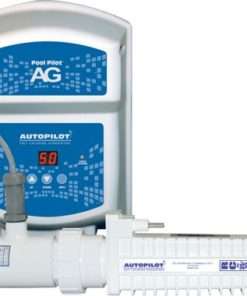
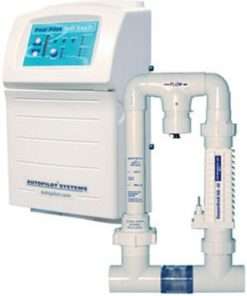
Autopilot DIG-42 Pool Pilot Digital Salt Chlorine Generator, DIG220_94107_APK0004


Salt Chlorine Generators
AutoPilot DN1 Salt Chlorine Generator – Pool Pilot Digital NANO 115V System


Replacement Kit
Salt Chlorine Generators


Detail Description
Can you put salt in a plastic pool?
It is a common misconception that you cannot put salt in a plastic pool. In fact, you can and many people do! The reason behind this myth is that salt can potentially damage or degrade the plastic material. However, this only occurs with prolonged exposure to salt water and is not an issue if you are simply adding salt to the pool on a regular basis. There are also special types of salt that are designed specifically for pools and will not damage the material. So, if you have a plastic pool, there is no need to worry about adding salt – just be sure to use the right kind!
How do I convert my swimming pool to saltwater?
If you’re interested in converting your swimming pool to saltwater, there are a few things you’ll need to do. First, you’ll need to purchase a saltwater chlorinator. This device will be used to generate chlorine from salt, which will then be used to clean your pool water. Next, you’ll need to add salt to your pool water. The amount of salt you’ll need will depend on the size of your pool. Once the salt has been added, you’ll need to run the chlorinator for a few hours to generate enough chlorine to clean your pool water. Finally, once your pool has been cleaned, you can enjoy swimming in saltwater!
Does salt water damage your pool?
It’s a common question from pool owners: does salt water damage your pool? The answer isn’t as simple as a yes or no. While salt water can have some negative effects on your pool, it ultimately comes down to how well you maintain your pool and how often you use salt water.If you don’t properly maintain your pool, salt water can damage the surface, equipment, and even the structure of your pool. This is because salt water is more corrosive than fresh water. Over time, the salt can eat away at the surface of your pool, causing it to weaken and eventually fail. Salt water can also damage your pool equipment, particularly if it’s not made of stainless steel or other corrosion-resistant materials. In addition, if you live in an area with hard water, the calcium in the water can combine with the salt to form a scale that can clog pipes and cause other problems.On the other hand, if you properly maintain your pool and only use salt water occasionally, the risk of damage is much lower. In fact, many pool experts believe that using salt water can actually prolong the life of your pool by preventing algae growth and making it easier to keep the pH balanced. So if you’re considering switching to salt water, weigh the pros and cons carefully before making a decision.
Can salt damage plastic?
Yes, salt can damage plastic. When salt comes into contact with plastic, it can cause the plastic to become brittle and break. This is because salt absorbs moisture from the air, which causes the plastic to dry out. over time, this can weaken the plastic and make it more susceptible to breaking. In addition, salt can also corrode the surface of plastic, making it more difficult to clean and maintain.