


Salt Chlorine Generators
AquaCal Autopilot DN1 Digital Nano 115-volt Salt Chlorine Generator for Pools, 22000-Gallon

Salt Chlorine Generators
AquaCal Autopilot DN2 Digital Nano 220-volt Salt Chlorine Generator for Pools, 22000-Gallon

Salt Chlorine Generators
AquaCal Autopilot DNP1 Digital Nano Plus 115-volt Salt Chlorine Generator, 28000-Gallon

Salt Chlorine Generators
AquaCal Autopilot DNP2 Digital Nano Plus 220-volt Salt Chlorine Generator, 28000-Gallon


Salt Chlorine Generators
AquaChek 561140A Salt Water Swimming Pool Test Strips – White


Salt Chlorine Generators
Aquachek 561161 Swimming Pool White Salt Titrators Test Kit Strips, 40 Count


Salt Chlorine Generators
Autopilot DIG-42 Pool Pilot Digital Salt Chlorine Generator, DIG220_94107_APK0004


Salt Chlorine Generators
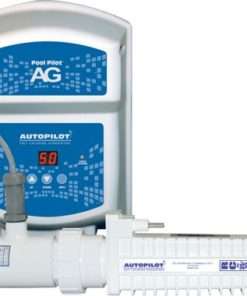
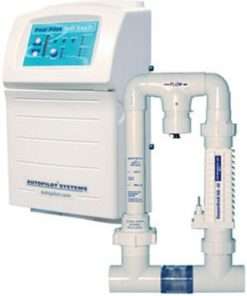
AutoPilot DN1 Salt Chlorine Generator – Pool Pilot Digital NANO 115V System


Replacement Kit
Salt Chlorine Generators


Detail Description
Is a pool chlorinator worth it?
There is some debate as to whether or not a pool chlorinator is worth the investment. Some people feel that the cost of the chlorinator outweighs any benefits, while others believe that it’s a necessary step in keeping your swimming pool clean and healthy.
Regardless of whether you believe that a pool chlorinator is worth the expense, it’s important to keep in mind that there are certain factors to consider before making this decision. First, you should decide how often you plan on using your pool. If you only use it sporadically, then a small-scale chlorinator may be sufficient. However, if you intend on using your pool more regularly, then a larger unit may be more appropriate.
Another factor to consider is the size of your pool. A smaller pool will likely require a smaller unit than a larger one. Additionally, if your pool has an electronic filtration system, make sure to inquire about compatibility before purchasing a chlorinator. Lastly, always read the manufacturer’s instructions carefully before installation to ensure complete compliance with all safety regulations.
What is a chlorinator for a pool?
A chlorinator is a device that helps to keep your pool clean and healthy by removing chlorine from the water. Chlorinators work by breaking down organic matter in the water, which in turn eliminates the need for chlorine. This will help to keep your pool free of bacteria and other contaminants that can cause problems such as algae growth and poor circulation.
What is the difference between chlorine and chlorinator?
Chlorine is a common disinfectant that is also used to create chlorinated water. Chlorinators use chlorine to disinfect the air and water. The two substances have different uses, but they both play an important role in protecting people and property from harmful bacteria and virus.
Chlorine is effective at destroying most types of bacteria and viruses. However, it can also damage delicate surfaces like glass or plastic. In households with children, chlorinated water can help prevent respiratory illness.
Chlorinators use chlorine gas to break down bacterial cells in the air and water. This process helps protect people from exposure to harmful bacteria and viruses. Chlorination also creates a safe environment for swimming and other activities that could lead to contact with skin or mucous membranes.
Can you run a pool without a chlorinator?
Chlorinators are an important part of pool maintenance. Without them, pools can become contaminated with bacteria and chemical residue. Chlorinators help to reduce the risk of this happening, and they also ensure that your pool is always clean and safe to swim in. However, if you don’t need a chlorinator or you’re looking to save money on your pool maintenance costs, it’s possible to run your pool without one. Here’s how:
1) Make sure your pump is working properly. A failing pump will not be able to circulate water through the pool filter and will require a chlorinator in order to function properly. If your pump is working fine, you can skip step 2).
2) Install a good quality liner. A bad liner will not hold up under chlorine levels, and will need to be replaced every few years. Liners that are made from vinyl or PVC are generally less durable than those made from PE or latex rubber. If you’re not sure which type of liner is best for your pool, speak with a professional installer about options.
3) Test your water chemistry before adding chlorine. If the acidity (pH) level is too high or low, chlorine may not be effective at killing bacteria and fungus growth. Adjust the pH level using vinegar or baking soda as necessary prior to adding chlorine.
4) Add 1 cup of chlorine per 50 gallons of water when using a chlorinator-free system. Be sure to keep