


Salt Chlorine Generators
AquaCal Autopilot DN1 Digital Nano 115-volt Salt Chlorine Generator for Pools, 22000-Gallon

Salt Chlorine Generators
AquaCal Autopilot DN2 Digital Nano 220-volt Salt Chlorine Generator for Pools, 22000-Gallon

Salt Chlorine Generators
AquaCal Autopilot DNP1 Digital Nano Plus 115-volt Salt Chlorine Generator, 28000-Gallon

Salt Chlorine Generators
AquaCal Autopilot DNP2 Digital Nano Plus 220-volt Salt Chlorine Generator, 28000-Gallon


Salt Chlorine Generators
AquaChek 561140A Salt Water Swimming Pool Test Strips – White


Salt Chlorine Generators
Aquachek 561161 Swimming Pool White Salt Titrators Test Kit Strips, 40 Count


Salt Chlorine Generators
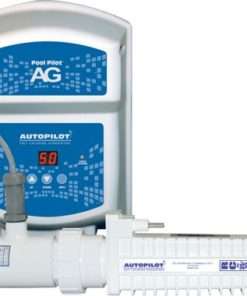
Autopilot DIG-42 Pool Pilot Digital Salt Chlorine Generator, DIG220_94107_APK0004


Salt Chlorine Generators
AutoPilot DN1 Salt Chlorine Generator – Pool Pilot Digital NANO 115V System


Replacement Kit
Salt Chlorine Generators


Detail Description
How often do you clean a salt chlorinator?
It is important to clean a salt chlorinator on a regular basis to prevent the build-up of mineral deposits. Depending on the size and model of your salt chlorinator, the frequency of cleaning will vary. However, as a general rule of thumb, it is recommended that you clean your salt chlorinator at least once per week. If you live in an area with hard water, or if you have a high chlorine output setting, then you may need to clean your salt chlorinator more frequently. To clean your salt chlorinator, simply remove the unit from the pool and rinse it off with fresh water. You can also use a mild disinfectant or descaling solution to remove any stubborn deposits. Be sure to follow the manufacturer’s instructions when using any cleaners or solutions.
Is salt cheaper than chlorine?
There are several factors to consider when comparing the costs of salt and chlorine for swimming pool maintenance. Salt is less expensive than chlorine on a per-ounce basis, but it requires more frequent additions to maintain effective levels. Chlorine is also more effective in smaller doses, so you may need to purchase less of it overall. Installation costs can also play a role in your decision; saltwater chlorination systems typically cost more to install than traditional chlorine systems.In terms of long-term costs, both salt and chlorine have their pros and cons. Salt does not evaporate as quickly as chlorine, so you may need to replenish your supply less often. However, salt can corrode metal surfaces and damage pool equipment over time, which can add to your repair and replacement costs. Chlorine is not as corrosive as salt, but it can cause skin and eye irritation for some swimmers. It’s important to weigh all of these factors when deciding which option is best for your swimming pool.
Is salt system better than chlorine?
There are pros and cons to both salt systems and chlorine systems for pools. It really depends on the preference of the pool owner as to which system they think is better. Some people prefer salt systems because they don’t have to handle chlorine tablets or worry about them spilling. Salt systems also produce a softer, gentler kind of chlorine that some people find more pleasant than the harsher kind produced by chlorine tablets. On the other hand, some people prefer chlorine tablets because they are more affordable than salt systems and they find that the chlorine produced by salt systems can sometimes be too weak. Ultimately, it is up to the pool owner to decide which system they prefer.
How many hours a day should I run my saltwater pool pump?
The answer to this question depends on a number of factors, including the size of your pool, the climate you live in, and how often you use your pool. In general, however, it is recommended that you run your saltwater pool pump for at least 8 hours a day. This will ensure that your pool water is properly filtered and circulated, and will help to prevent algae growth. If you live in a warmer climate or have a larger pool, you may need to run your pump for more than 8 hours a day.