


Salt Chlorine Generators
AquaCal Autopilot DN1 Digital Nano 115-volt Salt Chlorine Generator for Pools, 22000-Gallon

Salt Chlorine Generators
AquaCal Autopilot DN2 Digital Nano 220-volt Salt Chlorine Generator for Pools, 22000-Gallon

Salt Chlorine Generators
AquaCal Autopilot DNP1 Digital Nano Plus 115-volt Salt Chlorine Generator, 28000-Gallon

Salt Chlorine Generators
AquaCal Autopilot DNP2 Digital Nano Plus 220-volt Salt Chlorine Generator, 28000-Gallon


Salt Chlorine Generators
AquaChek 561140A Salt Water Swimming Pool Test Strips – White


Salt Chlorine Generators
Aquachek 561161 Swimming Pool White Salt Titrators Test Kit Strips, 40 Count


Salt Chlorine Generators
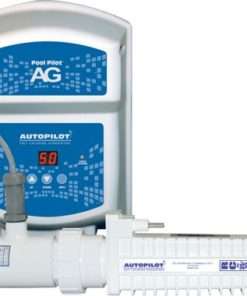
Autopilot DIG-42 Pool Pilot Digital Salt Chlorine Generator, DIG220_94107_APK0004


Salt Chlorine Generators
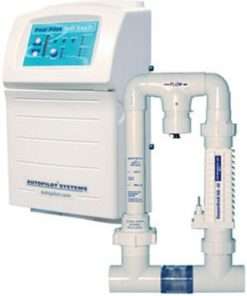
AutoPilot DN1 Salt Chlorine Generator – Pool Pilot Digital NANO 115V System


Replacement Kit
Salt Chlorine Generators


Detail Description
Why do I have total chlorine but no free chlorine?
There are a few reasons why you might have total chlorine but no free chlorine in your salt water pool. First, it could be that the salt level in the pool is too low. The minimum recommended salt level for a salt water pool is 3,000 ppm. If the salt level is too low, the chlorine generator will not be able to produce enough chlorine to keep the pool properly sanitized.Another possibility is that the pH of the pool water is too high. The ideal pH range for a salt water pool is 7.2-7.6. If the pH is too high, it can cause the chlorine to bind with ammonia and other chemicals in the water, making it unavailable to kill bacteria and other pathogens.Finally, it could be that there is something in the pool water that is using up the chlorine faster than it can be produced. This could be due to high levels of bather load, excessive organic matter in the water, or even certain types of algae or bacteria. If this is the case, you may need to Shock treating your pool on a regular basis to maintain proper chlorination levels.
How do you fix high free chlorine in a saltwater pool?
If you have high free chlorine in your saltwater pool, there are a few things you can do to fix the issue. First, check the salt level in the pool. If it is low, add more salt and wait 24 hours before testing the chlorine levels again. Second, check the pH levels in the pool. If they are too high or too low, they can cause the chlorine to be less effective. Adjust the pH levels as needed and retest the chlorine levels after 24 hours. Finally, if you are still seeing high free chlorine levels, you may need to shock your pool. This will help to break down any organic matter that may be causing the problem. Be sure to follow all manufacturer’s instructions when shocking your pool.
Is it safe to swim if free chlorine is high?
It’s no secret that swimming in a chlorinated pool can be harsh on your skin and eyes. Chlorine is added to pools to kill bacteria and other microorganisms that could make swimmers sick. While chlorine is effective at keeping pools clean, it can also cause some health problems. Skin irritations, red eyes, and respiratory problems are all common complaints from people who swim in chlorinated water.Adding salt to a pool can help offset some of the negative effects of chlorine. Saltwater pools have gained popularity in recent years because they are gentler on the skin and eyes than traditional chlorinated pools. In addition, saltwater pools often have lower levels of chlorine because the salt itself helps to purify the water. However, it’s important to note that saltwater pools still contain chlorine and can cause health problems if the levels are too high.So, is it safe to swim in a pool with high levels of free chlorine? The answer isn’t clear cut. While swimming in a chlorinated pool isn’t likely to cause any serious health problems, it can be irritating to the skin and eyes. If you have sensitive skin or respiratory problems, you may want to avoid swimming in chlorinated water altogether. Saltwater pools may be a better option for people with these concerns since they tend to have lower levels of chlorine. Ultimately, it’s up to you to decide whether the benefits of swimming outweigh the risks.
Is it safe to swim in pool with high free chlorine?
Yes, it is safe to swim in a pool with high free chlorine. In fact, free chlorine is a necessary component in keeping pools clean and free of bacteria. However, it is important to remember that too much chlorine can be harmful to swimmers. That’s why it’s important to test your pool’s water regularly and adjust the amount of chlorine accordingly.