


Salt Chlorine Generators
AquaCal Autopilot DN1 Digital Nano 115-volt Salt Chlorine Generator for Pools, 22000-Gallon

Salt Chlorine Generators
AquaCal Autopilot DN2 Digital Nano 220-volt Salt Chlorine Generator for Pools, 22000-Gallon

Salt Chlorine Generators
AquaCal Autopilot DNP1 Digital Nano Plus 115-volt Salt Chlorine Generator, 28000-Gallon

Salt Chlorine Generators
AquaCal Autopilot DNP2 Digital Nano Plus 220-volt Salt Chlorine Generator, 28000-Gallon


Salt Chlorine Generators
AquaChek 561140A Salt Water Swimming Pool Test Strips – White


Salt Chlorine Generators
Aquachek 561161 Swimming Pool White Salt Titrators Test Kit Strips, 40 Count


Salt Chlorine Generators
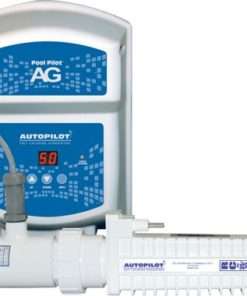
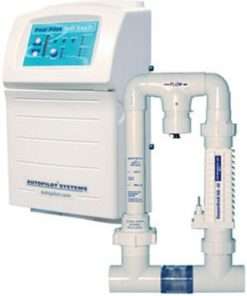
Autopilot DIG-42 Pool Pilot Digital Salt Chlorine Generator, DIG220_94107_APK0004


Salt Chlorine Generators
AutoPilot DN1 Salt Chlorine Generator – Pool Pilot Digital NANO 115V System


Replacement Kit
Salt Chlorine Generators


Detail Description
Can an indoor pool be saltwater?
An indoor pool can technically be saltwater, as long as the water has a high enough salt content. When it comes to making a pool saltwater, there are a few things that you’ll need to do. First, add 1 cup of table salt per gallon of water. Second, adjust the chlorine levels accordingly. Finally, make sure to keep an eye on the pH level and adjust it if needed.
All in all, making your indoor pool saltwater is not difficult, but it does require a bit of work on your part. If you’re interested in trying it out, be sure to call your local area pool company for more information!
What are the disadvantages of salt water pools?
Salt water pools are popular among people who want to enjoy a refreshing swim, but there are some important disadvantages to consider.
First and foremost, salt water can be corrosive, which means it can damage pool surfaces and equipment over time. It can also cause skin irritation and redness in swimmers, as well as respiratory problems in those with asthma. In addition, salt water is more difficult to clean than freshwater pools, so they may require more frequent maintenance. Finally, salt water is less able to filter out debris and pollution than fresh water, so it could also lead to greater amounts of algae and bacteria in the pool.
Is it OK to swim in a salt water pool?
Swimming in a salt water pool can be a fun and healthy way to stay hydrated and exercise. However, there are a few things to keep in mind before jumping in!
First of all, always check the pool’s chlorine level before swimming. Chlorine is an essential component of pool water that helps prevent bacteria and fungus growth. Too little chlorine can lead to skin irritations and other health problems, so it’s important to make sure the pool is properly maintained.
Secondly, it’s important to remember that salt water can be quite harsh on the skin. Always wear sunscreen and avoid getting caught in the sun exposure while swimming in a salt water pool. Additionally, don’t go overboard with the swimwear – opt for something light and air-y instead of bulky clothing.
In conclusion, swimming in a salt water pool can be a great way to stay healthy and have some fun – just make sure you know what precautions to take and have a good time while staying safe!
Is a salt water pool worth the money?
There are pros and cons to having a salt water pool, but overall, they are usually worth the investment. Salt water is more sanitary than chlorine-based pools, and it also doesn’t require as much upkeep. But, on the other hand, a salt water pool can be more expensive to maintain than a chlorine pool. In addition, salt water can be more corrosive, so it’s important to have a properly installed fence and decking around the pool.