


Salt Chlorine Generators
AquaCal Autopilot DN1 Digital Nano 115-volt Salt Chlorine Generator for Pools, 22000-Gallon

Salt Chlorine Generators
AquaCal Autopilot DN2 Digital Nano 220-volt Salt Chlorine Generator for Pools, 22000-Gallon

Salt Chlorine Generators
AquaCal Autopilot DNP1 Digital Nano Plus 115-volt Salt Chlorine Generator, 28000-Gallon

Salt Chlorine Generators
AquaCal Autopilot DNP2 Digital Nano Plus 220-volt Salt Chlorine Generator, 28000-Gallon


Salt Chlorine Generators
AquaChek 561140A Salt Water Swimming Pool Test Strips – White


Salt Chlorine Generators
Aquachek 561161 Swimming Pool White Salt Titrators Test Kit Strips, 40 Count


Salt Chlorine Generators
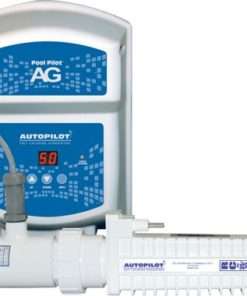
Autopilot DIG-42 Pool Pilot Digital Salt Chlorine Generator, DIG220_94107_APK0004


Salt Chlorine Generators
AutoPilot DN1 Salt Chlorine Generator – Pool Pilot Digital NANO 115V System


Replacement Kit
Salt Chlorine Generators


Detail Description
What type of inground pool is best for saltwater?
One of the most common questions people ask about inground pools is what type of pool is best for saltwater. Manufacturers claim their products are specifically designed for saltwater, but the truth is that any inground pool will work fine in salt water. The main difference between types of pools is their construction and materials.
An above-ground pool constructed from PVC or other durable plastic material can last a long time if properly maintained. However, these pools are not typically designed to take the weathering and abuse of salt water. Over time, an above ground pool will crack and break due to the corrosive effects of salt water on the plastic material. In addition, harsh chemicals and sunlight will degrade the vinyl liner over time, making it difficult or impossible to clean.
A traditional inground concrete pool is a much more robust option and can handle years of exposure to salt water without issue. Concrete is a natural material that can withstand weathering and rusting while still providing years of enjoyment for family and friends. Pools with steel frames are also popular among those looking for a more durable option as they are less likely to suffer structural failure due to corrosion or rot. With proper maintenance, all types of inground pools can provide years of enjoyment in salt water conditions.
What are the disadvantages of salt water pools?
Salt water pools are popular for a variety of reasons. They offer a relaxing place to cool off and have fun, they’re perfect for kids, and they’re beautiful additions to any property. However, there are some potential disadvantages to salt water pools that should be considered before making a purchase or signing up for membership.
First and foremost, salt water pools can be corrosive and dangerous. They can cause damage to pool equipment and surfaces, as well as harm people who fall in. In severe cases, salt water pools can even cause respiratory issues and other health problems if inhaled. Additionally, salt water can damage landscaping if it seeps into the soil. Finally, microbial activity in the pool can create odors and algae growth that can be difficult to remove.
When selecting a pool, it is important to weigh the pros and cons carefully before making a decision. Salt water pools can be great additions to property but should only be chosen if they will not pose any danger or harm to those who use them.
How much does it cost to put in salt water pool?
Putting in a salt water pool can be expensive, depending on the size and type of pool you intend to install. The average cost for putting in a standard pool is around $6,000, but this will vary depending on the location and specific needs of your swimming area. Costs can also increase if you opt for features like an automatic pool cleaner or spa.
Are salt water pools worth it?
When it comes to choosing a swimming pool, many people are torn between salt water and fresh water pools. But is one type of pool really better than the other? Here’s what you need to know to decide if salt water pools are right for you.
Salt water pools are known for their superior chlorine levels, which means they’re great for kids who suffer from allergies or asthma. Plus, the saline environment helps remove toxins and bacteria from the body. This is why salt water pools are often recommended for pregnant women and parents with young children.
On the other hand, fresh water pools offer a more relaxing environment with lower chlorine levels. They’re also great for adults who want to take a break from all the action. Plus, they tend to be less expensive than salt water pools. So which is best for you? It really depends on your needs and preferences.