


Salt Chlorine Generators
AquaCal Autopilot DN1 Digital Nano 115-volt Salt Chlorine Generator for Pools, 22000-Gallon

Salt Chlorine Generators
AquaCal Autopilot DN2 Digital Nano 220-volt Salt Chlorine Generator for Pools, 22000-Gallon

Salt Chlorine Generators
AquaCal Autopilot DNP1 Digital Nano Plus 115-volt Salt Chlorine Generator, 28000-Gallon

Salt Chlorine Generators
AquaCal Autopilot DNP2 Digital Nano Plus 220-volt Salt Chlorine Generator, 28000-Gallon


Salt Chlorine Generators
AquaChek 561140A Salt Water Swimming Pool Test Strips – White


Salt Chlorine Generators
Aquachek 561161 Swimming Pool White Salt Titrators Test Kit Strips, 40 Count


Salt Chlorine Generators
Autopilot DIG-42 Pool Pilot Digital Salt Chlorine Generator, DIG220_94107_APK0004


Salt Chlorine Generators
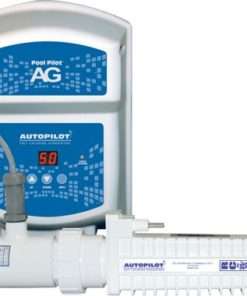
AutoPilot DN1 Salt Chlorine Generator – Pool Pilot Digital NANO 115V System


Replacement Kit
Salt Chlorine Generators



Detail Description
What happens when you mix chlorine and salt water?
When chlorine and salt are mixed together, the chlorine will react with the salt to create a chlorinated water. This chlorinated water is harmful to both humans and aquatic life. Chlorine is a strong oxidizing agent, which means that it can cause rapid oxidation of other molecules in the water. This can lead to cloudiness, decreased pH levels, and increases in toxicity.
What are the disadvantages of a salt water pool?
Salt water pools offer a unique and refreshing experience for swimming, sunbathing, and other aquatic activities, but there are some important disadvantages to consider before making the decision to buy one.
The most common issue with salt water pools is that they can be difficult to maintain. Over time, salt water can corrode metal frames, tiles, and other parts of the pool enclosure. This can lead to leaks and eventual damage to the pool system. Additionally, salt water is corrosive, which means it can damage paint, furniture, and other materials around the pool.
Another disadvantage of salt water pools is that they require more care than traditional pools. Saltwater contains higher levels of sodium than regular water, which can cause skin irritation in some people. In addition, salt water does not absorb heat as well as freshwater does, so it can be colder in a saltwater pool during winter months.
Do you swim faster in salt water or chlorine?
Swimming in salt water or chlorine can have a significant impact on your speed. According to studies, swimmers who swim in salt water typically swim at a faster pace than those swimming in chlorine-based pools. This is likely due to the saltwater’s ability to improve your swimming efficiency by providing more resistance against the body’s movement.
While chlorine is still effective at preventing bacteria and other organisms from growing, it does not offer as much of an increase in speed as saltwater does. This is because chlorine strips away the oils that make water resistant against the body’s movement. Consequently, if you are looking to swim faster, opting for a pool with salt water over chlorine may be the better option for you.
Is salt water pool good for skin?
Salt water pools are a great way to cool off on hot days, especially if you have skin that is sensitive to the sun. However, many people are concerned that salt water pooling on the skin can be harmful.
The main concern is that salt water can cause irritation and even burns. In addition, it can also cause bacteria or fungus to grow, which can lead to skin problems such as dermatitis. If you are pregnant or have children who are still using diapers, you should avoid salt water pools entirely because of the potential for contact with bacteria and fungus.
So while salt water pools are definitely a fun way to spend a day in the summer, you should be aware of the risks involved before you go swimming.