


Salt Chlorine Generators
AquaCal Autopilot DN1 Digital Nano 115-volt Salt Chlorine Generator for Pools, 22000-Gallon

Salt Chlorine Generators
AquaCal Autopilot DN2 Digital Nano 220-volt Salt Chlorine Generator for Pools, 22000-Gallon

Salt Chlorine Generators
AquaCal Autopilot DNP1 Digital Nano Plus 115-volt Salt Chlorine Generator, 28000-Gallon

Salt Chlorine Generators
AquaCal Autopilot DNP2 Digital Nano Plus 220-volt Salt Chlorine Generator, 28000-Gallon


Salt Chlorine Generators
AquaChek 561140A Salt Water Swimming Pool Test Strips – White


Salt Chlorine Generators
Aquachek 561161 Swimming Pool White Salt Titrators Test Kit Strips, 40 Count


Salt Chlorine Generators
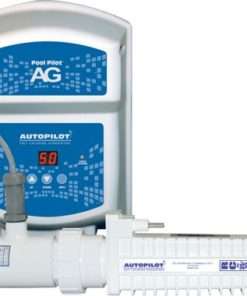
Autopilot DIG-42 Pool Pilot Digital Salt Chlorine Generator, DIG220_94107_APK0004


Salt Chlorine Generators
AutoPilot DN1 Salt Chlorine Generator – Pool Pilot Digital NANO 115V System


Replacement Kit
Salt Chlorine Generators


Detail Description
How much monthly maintenance is a salt water pool?
A salt water pool is a great alternative to a traditional chlorine pool. They are less work and the pool water is softer on your skin and hair. But, there is still some maintenance required to keep your salt water pool looking its best. Here is a breakdown of what you can expect for monthly maintenance: -Test the pH levels of the water and add salt as needed. You should aim for a pH level between 7.2 and 7.6. -Check the chlorine levels and add chlorine as needed. You should aim for a chlorine level between 1 and 3 ppm. -Clean the salt cell regularly with a brush or hose to remove any build-up of calcium carbonate. -Backwash the filter once a month or as needed.-Vacuum the pool once a week to remove any debris that has settled on the bottom.-Brush the walls and floor of the pool weekly to prevent algae growth.-Empty skimmer baskets as needed
Do you need to shower after swimming in a saltwater pool?
It’s generally a good idea to shower after swimming in a saltwater pool. Saltwater can be drying and irritating to the skin, so rinsing off with fresh water can help to prevent any discomfort. Plus, it’s always a good idea to rinse off any chlorine or other chemicals that may be on your body after swimming.
Is it OK to run pool pump 24 hours a day?
There is no definitive answer to this question since it depends on a number of factors, such as the size of your pool, the climate you live in, and how often you use your pool. However, in general, it is generally safe to run your pool pump for 24 hours a day.If you have a large pool, or if you live in a hot climate, running your pool pump for 24 hours a day can help ensure that your water stays clean and clear. Additionally, if you have an automatic pool cleaner, running the pump for 24 hours can help keep the cleaner working properly. Finally, if you use your pool frequently, running the pump for 24 hours can help ensure that the water is circulated and filtered properly.Of course, there are some downsides to running your pool pump for 24 hours a day. For one thing, it will increase your energy bills. Additionally, if you have an above-ground pool, running the pump for too long can cause the water to overflow. Finally, if you have any problems with your pool pump (such as leaks), running it for long periods of time can exacerbate those problems. Ultimately, whether or not you should run your pool pump for 24 hours a day is up to you and will depend on your specific situation. If you have any concerns or questions about whether or not it is safe to do so, be sure to consult with a professional before making any decisions.
Are saltwater pools hygienic?
Are saltwater pools hygienic? This is a question that many people ask when they are considering whether or not to install a saltwater pool. There are several factors to consider when answering this question.Saltwater pools use salt to generate chlorine, which is the main disinfectant in the water. Chlorine is effective at killing bacteria and viruses, so saltwater pools can be considered hygienic. However, it is important to note that chlorine can also cause skin and eye irritation.Another factor to consider is the pH of the water in a saltwater pool. The pH should be maintained at around 7.5 to 8.0, which is slightly alkaline. This helps to prevent skin irritation and also provides a more pleasant swimming experience.It is also important to ensure that the salt concentration in a saltwater pool is correct. If the concentration is too high, it can be corrosive and damage pool equipment. If the concentration is too low, it will be ineffective at generating chlorine and maintaining water quality.In conclusion, saltwater pools can be considered hygienic if the correct measures are taken to maintain water quality and prevent skin irritation.