


Salt Chlorine Generators
AquaCal Autopilot DN1 Digital Nano 115-volt Salt Chlorine Generator for Pools, 22000-Gallon

Salt Chlorine Generators
AquaCal Autopilot DN2 Digital Nano 220-volt Salt Chlorine Generator for Pools, 22000-Gallon

Salt Chlorine Generators
AquaCal Autopilot DNP1 Digital Nano Plus 115-volt Salt Chlorine Generator, 28000-Gallon

Salt Chlorine Generators
AquaCal Autopilot DNP2 Digital Nano Plus 220-volt Salt Chlorine Generator, 28000-Gallon


Salt Chlorine Generators
AquaChek 561140A Salt Water Swimming Pool Test Strips – White


Salt Chlorine Generators
Aquachek 561161 Swimming Pool White Salt Titrators Test Kit Strips, 40 Count




Salt Chlorine Generators
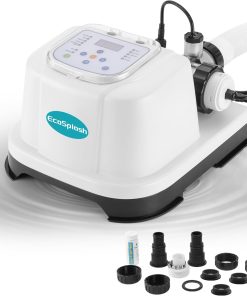
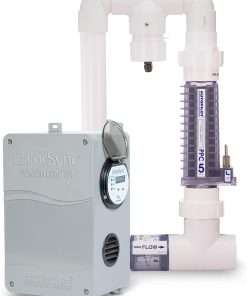
Autopilot ChlorSync CS30 Salt Water Chlorine Generator, Upgraded DNP2
Salt Chlorine Generators
AutoPilot CPB0005A ChlorSync® Gen II + PPM5 PPC5 Manifold Salt Chlorine Generator


Salt Chlorine Generators
Autopilot DIG-42 Pool Pilot Digital Salt Chlorine Generator, DIG220_94107_APK0004


Salt Chlorine Generators
AutoPilot DN1 Salt Chlorine Generator – Pool Pilot Digital NANO 115V System


Detail Description
How many hours a day should I run my salt chlorinator?
There is no definite answer to this question as it will depend on your own salt chlorinator and usage patterns. However, a general guideline would be to run your salt chlorinator for at least four hours per day, but ideally six or more. This will help keep the system in good working order and minimize the chances of issues arising. Keep in mind that salt chlorination requires regular maintenance in order to maintain optimal results, so be sure to check the system regularly and make any necessary adjustments as needed.
What are the disadvantages of a salt water pool?
There are many potential disadvantages of having a salt water pool, many of which have to do with the maintenance and care required. Salinity can cause corrosion of metal components, and high levels of salt can damage plants and turf. Furthermore, salt water pools are more difficult to keep clean than other types of pools, as dirt and debris must be removed regularly in order to prevent build-up of bacteria or algae. Finally, salt water pools require more frequent inspections for safety reasons – including regular checks for cracks and leaks – than other types of pools.
How do I choose a salt chlorinator?
When it comes to choosing the right salt chlorinator for your needs, there are a few things to consider. First and foremost, you’ll need to decide on the type of system you’d like: manual or automatic. Next, you’ll need to decide on the size of your pool and the amount of chlorine needed. Last, you’ll need to factor in price and reviews.
Manual salt chlorinators work with a dial or knob to adjust the dosage of chlorine. They’re typically smaller than automatic systems and can be more affordable, but they may require more attention during use. Automatic salt chlorinators operate according to a preset schedule and dosage, so they’re usually less expensive than manual systems but can be less user-friendly.
Size is also important when choosing a salt chlorinator. If your pool is small, a manual system might be ideal; if it’s larger, an automatic system might be better. Finally, reviews are always helpful when making purchasing decisions; reading customer reviews can help you determine which salt chlorinator is best for your needs.
How much electricity does a salt chlorinator use?
Chlorine is an essential component of swimming pools and spas, but it can also be used to disinfect water. A salt chlorinator uses chlorine to produce hypochlorite, which is then used to clean water. They typically use around 7-12 kilowatts of electricity per hour.