


Salt Chlorine Generators
AquaCal Autopilot DN1 Digital Nano 115-volt Salt Chlorine Generator for Pools, 22000-Gallon

Salt Chlorine Generators
AquaCal Autopilot DN2 Digital Nano 220-volt Salt Chlorine Generator for Pools, 22000-Gallon

Salt Chlorine Generators
AquaCal Autopilot DNP1 Digital Nano Plus 115-volt Salt Chlorine Generator, 28000-Gallon

Salt Chlorine Generators
AquaCal Autopilot DNP2 Digital Nano Plus 220-volt Salt Chlorine Generator, 28000-Gallon


Salt Chlorine Generators
AquaChek 561140A Salt Water Swimming Pool Test Strips – White


Salt Chlorine Generators
Aquachek 561161 Swimming Pool White Salt Titrators Test Kit Strips, 40 Count


Salt Chlorine Generators
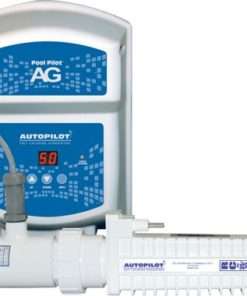
Autopilot DIG-42 Pool Pilot Digital Salt Chlorine Generator, DIG220_94107_APK0004


Salt Chlorine Generators
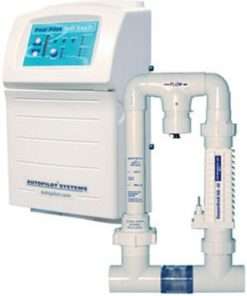
AutoPilot DN1 Salt Chlorine Generator – Pool Pilot Digital NANO 115V System


Replacement Kit
Salt Chlorine Generators


Detail Description
Is it expensive to maintain a saltwater pool?
When you’re considering whether or not to buy and maintain a saltwater pool, remember that it can be expensive. Upkeep costs can include acid balance checks, water changes, filter replacements, and more. It’s important to factor in the cost of equipment, chemicals, filters, and other associated expenses when estimating the total cost of owning and running a saltwater pool. Furthermore, keep in mind that weather conditions – such as high evaporation rates – can impact the pool’s budget even further. It’s always important to consult with a professional pool company to get an accurate estimate of long-term expenses for your particular saltwater installation.
How do you maintain a saltwater above ground pool?
When it comes to maintaining an above ground swimming pool with salt water systems, there are a few important things you need to remember. First and foremost, make sure you add the right amount of salt to your pool each time you top it off. Too much can actually cause major damage to your plumbing and equipment, so err on the side of caution. And if algae starts to form on the surface of the water, don’t be afraid to use a high-quality chlorine ant or produce sanitizer product every week or so. Finally, be sure to check your filters regularly – they should be replaced every three months in most cases – and keep an eye on your pH levels as well, which should stay between 7.2 and 7.6 at all times.”
What is the healthiest pool system?
It is no secret that swimming in natural settings such as lakes and rivers can be enjoyable and healthy for you. However, if you are looking to swim in a pool, there are a variety of types of pool systems to choose from, each with its own set of advantages and disadvantages. Today, we will explore the different types of above ground swimming pool systems and examine the pros and cons of each.
First, let’s look at an in-ground swimming pool system. This type of system is typically the most expensive to install, but it also offers the widest range of features. An in-ground system can have either chlorine or chloramine water treatments, as well as routed walls for soundproofing. In addition, in-ground pools can be deeper than other types of pools and may have more seating capacity.
outside standing pools are second on our list when it comes to installation costs because they don’t require digging up your lawn or using a trench like an in ground pool does. They do tend to be smaller than an in ground pool and don’t have routed walls so they won’t offer as much privacy or soundproofing. Standing pools also typically don’t hold as many people as an in ground pool, so they’re better suited for families who want to spend a little less time at the pool.
A third option for installing a swimming pool is using a Jacuzzi—although not technically a swimming pool system per se., these hot tubs
How much does it cost to convert an above ground pool to saltwater?
There are a few factors you will need to consider when converting your above ground swimming pool to saltwater. The cost of the conversion, the type of salt water system you choose, and the size and shape of your pool all play a role in determining overall cost.
The average cost to convert an above ground swimming pool from one type of water to another is about $6,000. This price varies based on the size and shape of the pool as well as the type of salt water system chosen. If you have an existing pool that is larger than 10,000 square feet, it will likely be more expensive to convert it than if your pool is smaller.
A common type of salt water system used for swimming pools is an electronic filtering system. This system recirculates salt water through filters to produce crystal clear H 2 0. Another option is a reverse osmosis unit, which removes salts and other impurities from water but requires regular maintenance. Either option can be expensive depending on the size and configuration of your pool.
If you’re looking to switch to saltwater without completely remodeling your home or spending thousands of dollars, there are a few options available that may fit your needs at a lower cost. One option is a custom-built saltwater tank that can be placed above or next to your pool. Other solutions include percolation systems that pour saline water onto the ground around your pool or installations that use desalination technology to produce