


Salt Chlorine Generators
AquaCal Autopilot DN1 Digital Nano 115-volt Salt Chlorine Generator for Pools, 22000-Gallon

Salt Chlorine Generators
AquaCal Autopilot DN2 Digital Nano 220-volt Salt Chlorine Generator for Pools, 22000-Gallon

Salt Chlorine Generators
AquaCal Autopilot DNP1 Digital Nano Plus 115-volt Salt Chlorine Generator, 28000-Gallon

Salt Chlorine Generators
AquaCal Autopilot DNP2 Digital Nano Plus 220-volt Salt Chlorine Generator, 28000-Gallon


Salt Chlorine Generators
AquaChek 561140A Salt Water Swimming Pool Test Strips – White


Salt Chlorine Generators
Aquachek 561161 Swimming Pool White Salt Titrators Test Kit Strips, 40 Count


Salt Chlorine Generators
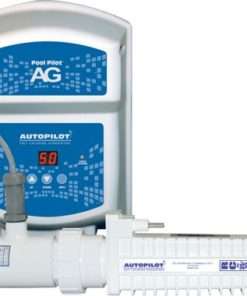
Autopilot DIG-42 Pool Pilot Digital Salt Chlorine Generator, DIG220_94107_APK0004


Salt Chlorine Generators
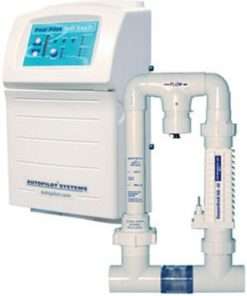
AutoPilot DN1 Salt Chlorine Generator – Pool Pilot Digital NANO 115V System


Replacement Kit
Salt Chlorine Generators


Detail Description
How do you raise the chlorine level in a saltwater pool?
Chlorine is a common chemical used in swimming pools to control bacteria and other pool contaminants. The level of chlorine in a pool can be raised by adding more chlorine, or by using a chlorinator. Chlorine must be added periodically to maintain the desired level, or the pool will become too chlorinated and uncomfortable for swimmers.
Why is my chlorine low in my salt pool?
Chlorine is an essential element for keeping salt water pools clean. The level of chlorine required will vary depending on the pool size and type of filter in use, but typically a chlorine level of at least 1 part per million (ppm) is required to maintain healthy swimming conditions. If the chlorine levels in your pool are low, there may be several reasons why.
One potential reason for a low chlorine level could be if your pool filter is not functioning properly. If the filter isn’t removing enough debris and bacteria from the water, it can lead to lower chlorine levels as they flow downstream into the pool. Additionally, if chunks of organic material (such as leaves or plant material) get stuck in the filter media, they can also contribute to a lower chlorine level. In order to test whether or not your filter is working properly, you can try using a water test kit such as the Pool Wizard Chlorine Test Kit.
Another common cause of low chlorine levels in saltwater pools is improper pH balance. When the pH balance in a pool falls below 7.2, bacteria will start to grow more rapidly and produce more toxic byproducts known as chloramines. Chloramines are less soluble than chlorine gas and can form disulfide bonds with other molecules in the water creating a “chlorine gas smell.” This smell can be noticeable when concentrations reach levels of 5-10 ppm and can be strongly offensive to some individuals. To check if your pH balance is off
Do saltwater pools have less chlorine?
Salt water pools typically have less chlorine than pool water. This is because salt water is more acidic and does not require as much chlorine to be effective. If you are concerned about the level of chlorine in your pool, it is best to test the pH level of the water.
What happens if pool chlorine is too low?
If pool chlorine is too low, it can cause a yellow or green tint to the water, chloramines may form, and the water will smell bad. In extreme cases, if the pool is not treated regularly with chlorine, it can become infested with bacteria that can cause respiratory problems. Pool owners should check their chlorine levels regularly and add more as needed to ensure proper disinfection of the water.