


Salt Chlorine Generators
AquaCal Autopilot DN1 Digital Nano 115-volt Salt Chlorine Generator for Pools, 22000-Gallon

Salt Chlorine Generators
AquaCal Autopilot DN2 Digital Nano 220-volt Salt Chlorine Generator for Pools, 22000-Gallon

Salt Chlorine Generators
AquaCal Autopilot DNP1 Digital Nano Plus 115-volt Salt Chlorine Generator, 28000-Gallon

Salt Chlorine Generators
AquaCal Autopilot DNP2 Digital Nano Plus 220-volt Salt Chlorine Generator, 28000-Gallon


Salt Chlorine Generators
AquaChek 561140A Salt Water Swimming Pool Test Strips – White


Salt Chlorine Generators
Aquachek 561161 Swimming Pool White Salt Titrators Test Kit Strips, 40 Count


Salt Chlorine Generators
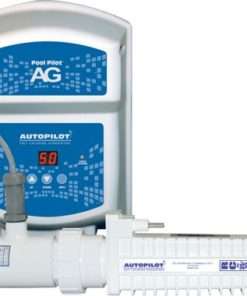
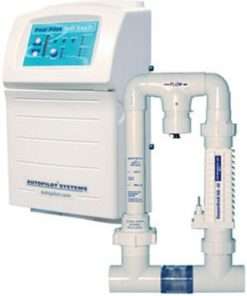
Autopilot DIG-42 Pool Pilot Digital Salt Chlorine Generator, DIG220_94107_APK0004


Salt Chlorine Generators
AutoPilot DN1 Salt Chlorine Generator – Pool Pilot Digital NANO 115V System


Replacement Kit
Salt Chlorine Generators


Detail Description
What metal does not rust in salt water?
There are a few metals that don’t rust in salt water, including stainless steel, titanium and aluminum. While these metals are more resistant to corrosion than other metals, they’re not completely immune. For example, stainless steel can still pit and corrode if it’s not properly cared for. Aluminum is the most corrosion-resistant metal out of the three, but it’s also the softest, so it’s not ideal for use in applications where strength is required. Titanium is strong and doesn’t corrode easily, but it’s also expensive. So which metal is best for use in salt water? It really depends on the application. If cost is a concern, then aluminum might be the best option. If strength is a priority, then titanium would be a better choice. And if you need a balance of both properties, then stainless steel would be the way to go.
Which anode material is best for saltwater?
There are a few different types of anode materials that can be used in saltwater, but not all of them are equally effective. The three most common anode materials are aluminum, magnesium, and zinc. Each of these materials has its own pros and cons that should be considered when choosing which one is best for your needs. Aluminum is the least expensive option and is also the lightest weight, making it a good choice for portable applications. However, it is less corrosion-resistant than other options and will need to be replaced more often. Magnesium is more expensive than aluminum but is more resistant to corrosion. It is also heavier than aluminum, making it less ideal for portable applications. Zinc is the most expensive option but is also the most corrosion-resistant. It is also the heaviest of the three options, so it may not be suitable for some applications. The best anode material for saltwater will depend on a number of factors, including budget, weight requirements, and desired level of corrosion resistance. In general, aluminum anodes are the least expensive and zinc anodes are the most expensive. If you need a highly corrosion-resistant anode, zinc may be your best option; if you’re looking for a lighter-weight anode, aluminum may be a better choice.
Is zinc OK in salt water?
Zinc is a common metal that is used in a variety of applications, including salt water. While zinc is generally considered to be safe, there are some concerns that it may be harmful in salt water.Zinc is known to be an essential trace element for humans and animals. It is involved in many biochemical processes and plays a role in the immune system. However, too much zinc can be toxic. Symptoms of zinc toxicity include abdominal pain, vomiting, and diarrhea.There is some evidence that zinc may be harmful to marine life. Zinc can accumulate in the sediments of salt water environments and may be toxic to bottom-dwelling organisms. Additionally, zinc pollution has been linked to coral reef bleaching.While more research is needed to fully understand the effects of zinc in salt water, it is important to exercise caution when using products that contain this metal.
Can you use Aluminium anodes in salt water?
It is a common misconception that aluminium anodes cannot be used in salt water. In fact, aluminium anodes are often used in salt water applications to protect against corrosion. The reason for this is that aluminium is more active than steel, which means it will corrode before steel in most environments. However, the passive oxide layer that forms on the surface of aluminium protects it from further corrosion. This makes aluminium anodes ideal for use in salt water, as they will corrode before the underlying metal is exposed to the environment.