


Salt Chlorine Generators
AquaCal Autopilot DN1 Digital Nano 115-volt Salt Chlorine Generator for Pools, 22000-Gallon

Salt Chlorine Generators
AquaCal Autopilot DN2 Digital Nano 220-volt Salt Chlorine Generator for Pools, 22000-Gallon

Salt Chlorine Generators
AquaCal Autopilot DNP1 Digital Nano Plus 115-volt Salt Chlorine Generator, 28000-Gallon

Salt Chlorine Generators
AquaCal Autopilot DNP2 Digital Nano Plus 220-volt Salt Chlorine Generator, 28000-Gallon


Salt Chlorine Generators
AquaChek 561140A Salt Water Swimming Pool Test Strips – White


Salt Chlorine Generators
Aquachek 561161 Swimming Pool White Salt Titrators Test Kit Strips, 40 Count


Salt Chlorine Generators
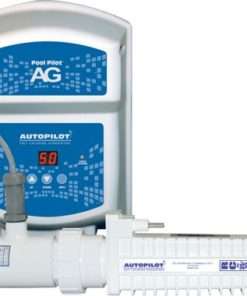
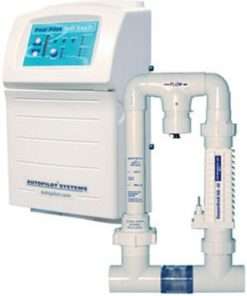
Autopilot DIG-42 Pool Pilot Digital Salt Chlorine Generator, DIG220_94107_APK0004


Salt Chlorine Generators
AutoPilot DN1 Salt Chlorine Generator – Pool Pilot Digital NANO 115V System


Replacement Kit
Salt Chlorine Generators


Detail Description
Are saltwater pools high maintenance?
Saltwater pools are often seen as high maintenance due to their requirement for regular cleaning and maintenance. However, with a bit of planning and some common pool maintenance tips, saltwater pools can be kept looking great all year long.
One of the biggest concerns about saltwater pools is that they require more frequent cleaning than traditional swimming pools. This is because salt water is more acidic than freshwater, which can damage pool equipment and surfaces. To prevent this, it is essential to clean your pool regularly – at least once a week during the swimming season and twice a week during the summer months. Specialized cleaners can also be used to clean saltwater pools more thoroughly.
Another major concern about salt water pools is that they are susceptible to algae growth. Algae occur when sunlight combines with chlorine or other chemicals found in swimming pool water. Algae creates an unpleasant odor and can clog filters and pipes, leading to decreased efficiency and possible system failure. To prevent this problem, it is important to keep your pool clean both before and after each use by removing any debris or plants that may have accumulated over time. Additionally, it is important to monitor your chlorine levels periodically and adjust them as needed in order to maintain optimal disinfection levels.
Overall, saltwater pools are high maintenance but with a bit of planning and effort they can be kept looking great all year long!
Is it difficult to maintain a saltwater pool?
Saltwater pools are a popular choice for those who want the convenience of a swimming pool without the hassle of dealing with chlorine. However, keeping a saltwater pool clean and algae-free can be challenging. Here are some tips to help make maintaining a saltwater pool easier:
1. Use an effective algae control system.
2. Keep the water clean.
3. Use a filter system to remove debris and chemicals.
4. Keep the pH levels stable.
Is a salt water pool cheaper to maintain?
There is a lot of debate over whether or not salt water pools are cheaper to maintain. Some people believe that salt water is less corrosive, so it requires less care. On the other hand, others claim that because salt water is more acidic, it can damage pool equipment more quickly. Ultimately, the decision comes down to personal preference – whichever option tends to run less of a risk is usually the cheapest in the long run.
Does a salt water pool taste salty?
There is no right or wrong answer to this question, as everyone’s taste preferences will be different. Some people may enjoy the taste of salt water while others may find it too salty. Ultimately, it is up to the individual whether or not they want to swim in a pool that contains salt.
Assuming that the pool does contain salt, some people argue that it does not really make a significant difference if the water is salty or not. Others claim that swimming in a salty pool can actually be refreshing and invigorating. Ultimately, whichever opinion someone holds on this matter is ultimately their own and there is no one correct answer.