


Salt Chlorine Generators
AquaCal Autopilot DN1 Digital Nano 115-volt Salt Chlorine Generator for Pools, 22000-Gallon

Salt Chlorine Generators
AquaCal Autopilot DN2 Digital Nano 220-volt Salt Chlorine Generator for Pools, 22000-Gallon

Salt Chlorine Generators
AquaCal Autopilot DNP1 Digital Nano Plus 115-volt Salt Chlorine Generator, 28000-Gallon

Salt Chlorine Generators
AquaCal Autopilot DNP2 Digital Nano Plus 220-volt Salt Chlorine Generator, 28000-Gallon


Salt Chlorine Generators
AquaChek 561140A Salt Water Swimming Pool Test Strips – White


Salt Chlorine Generators
Aquachek 561161 Swimming Pool White Salt Titrators Test Kit Strips, 40 Count


Salt Chlorine Generators
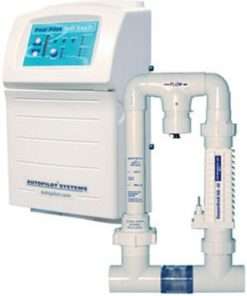
Autopilot DIG-42 Pool Pilot Digital Salt Chlorine Generator, DIG220_94107_APK0004


Salt Chlorine Generators
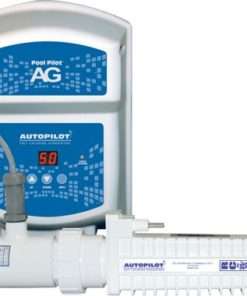
AutoPilot DN1 Salt Chlorine Generator – Pool Pilot Digital NANO 115V System


Replacement Kit
Salt Chlorine Generators


Detail Description
How do I raise the salt level in my pool?
If you are looking to raise the salt level in your pool, there are a few different ways that you can go about it. One option is to add more salt to the pool manually. Another option is to install a salt water pump. Salt water pumps use pressurized salt water to circulate around the pool and bring up the salt level. Whichever route you choose, be sure to get help from an expert if you’re not familiar with how to do it yourself.
What causes pool salt level to drop?
Pool salt is used to keep water in a pool at a certain salinity level. If the pool salt level drops, the water will become too salty for swimming and other activities. There are many factors that can cause the pool salt level to drop, including rainfall, evaporation, surface runoff and natural fluctuations in water levels.
To maintain a specific salinity level in a pool, pool owners add salt as needed. If the pool salt level drops below the desired level, it is necessary to add more salt to bring it back up to spec. Adding too much salt can create problems such as excessive corrosion of metal parts in pools and pipes, and an increase in algae growth. It is important to monitor the pool salt level regularly and adjust levels as necessary to avoid any serious issues.
How do I know if my pool is low on salt?
If your pool is low on salt, it could mean one of several things. If the salt level is below the safety level, you will need to add more salt. If the pool water doesn’t have a noticeable chlorine smell or if there are large areas of green algae present, then the pool may need to be refilled with chlorine. You can also test the salt level by purchasing a pool test kit and adding it to your swimming area.
How do I know if my pool needs more salt?
If you are looking to keep your pool water clear and shining, it is important to add salt regularly. Over time, a pool can lose its ability to hold dirt and debris, leading to cloudy water and potential health problems for both you and your guests. To determine if your pool needs more salt, take the following steps:
1. Fill a large bucket with cool water and dump in enough salt to cover the bottom of the bucket. Importantly, do not use table salt as it may be too coarse for swimming pools.
2. Swish the water around to dissolve the salt and then wait five minutes before checking the clarity of the liquid. If the water appears cloudy after five minutes, add an additional ½ cup of salt per 50 gallons of pool water (for a total of 1 cup) and continue waiting five minutes before checking again. If the clarity does not improve after adding the 1 cup of salt, then your pool probably needs more salt. Check back every other week or so until you reach your desired level of clarity.
3. Once you have added the right amount of salt, make sure to test it again after a few days to ensure that all traces of cloudiness have disappeared. Be sure to follow up with regular chlorination treatments as well!