


Salt Chlorine Generators
AquaCal Autopilot DN1 Digital Nano 115-volt Salt Chlorine Generator for Pools, 22000-Gallon

Salt Chlorine Generators
AquaCal Autopilot DN2 Digital Nano 220-volt Salt Chlorine Generator for Pools, 22000-Gallon

Salt Chlorine Generators
AquaCal Autopilot DNP1 Digital Nano Plus 115-volt Salt Chlorine Generator, 28000-Gallon

Salt Chlorine Generators
AquaCal Autopilot DNP2 Digital Nano Plus 220-volt Salt Chlorine Generator, 28000-Gallon


Salt Chlorine Generators
AquaChek 561140A Salt Water Swimming Pool Test Strips – White


Salt Chlorine Generators
Aquachek 561161 Swimming Pool White Salt Titrators Test Kit Strips, 40 Count


Salt Chlorine Generators
Autopilot DIG-42 Pool Pilot Digital Salt Chlorine Generator, DIG220_94107_APK0004


Salt Chlorine Generators
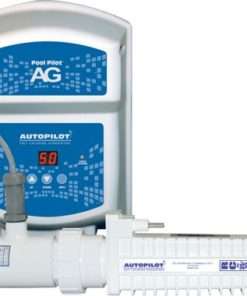
AutoPilot DN1 Salt Chlorine Generator – Pool Pilot Digital NANO 115V System


Replacement Kit
Salt Chlorine Generators


Detail Description
What should the pH level be in a saltwater pool?
The pH level of a saltwater pool should be between 7.2 and 7.8. This is because saltwater is more corrosive than fresh water, so the pH level needs to be higher in order to prevent damage to the pool’s surfaces and equipment. A higher pH level will also make the chlorine more effective at killing bacteria and algae.
Do you need to shock a saltwater pool every week?
You may have heard that you need to shock your saltwater pool every week. But what does that mean, and why is it necessary? First, let’s define what shocking a pool means. Shocking a pool involves adding a large amount of chlorine to the water all at once in order to raise the chlorine level quickly. This is usually done when the chlorine level has dropped too low or when there has been a heavy swimmer load (like after a party). Shocking also helps to kill any algae or bacteria that might be present in the water.So, do you need to shock your saltwater pool every week? It depends. If you are maintaining a proper chlorine level and there has been no heavy swimmer load, then you probably won’t need to shock very often, if at all. However, if the chlorine level drops or there is a lot of algae present, then shocking may be necessary on a weekly basis until the problem is resolved. Consult with your local pool professional to determine what schedule is best for your pool.
Is maintaining a saltwater pool difficult?
Maintaining a saltwater pool can be more difficult than maintaining a traditional chlorine pool. Saltwater pools rely on a process called electrolysis to generate chlorine, which can then be used to disinfect the water. This process can be less stable than using chlorine tablets or granules, which means that the chlorine levels in saltwater pools can fluctuate more and be more difficult to maintain. pH levels also need to be closely monitored in saltwater pools, as even small changes can affect the efficacy of the chlorine.
Where can I drain my saltwater pool?
If you have a saltwater pool, you may be wondering where you can drain it. There are a few options available to you. You can either drain it into your sewer system or onto your property. If you choose to drain it into your sewer system, you will need to contact your local sewage department to see if they allow saltwater pools. If they do not allow saltwater pools, you will need to find another way to dispose of the water. If you choose to drain it onto your property, you will need to make sure that the area is large enough to accommodate the amount of water in your pool. You will also need to make sure that the ground is able to absorb the water.