


Salt Chlorine Generators
AquaCal Autopilot DN1 Digital Nano 115-volt Salt Chlorine Generator for Pools, 22000-Gallon

Salt Chlorine Generators
AquaCal Autopilot DN2 Digital Nano 220-volt Salt Chlorine Generator for Pools, 22000-Gallon

Salt Chlorine Generators
AquaCal Autopilot DNP1 Digital Nano Plus 115-volt Salt Chlorine Generator, 28000-Gallon

Salt Chlorine Generators
AquaCal Autopilot DNP2 Digital Nano Plus 220-volt Salt Chlorine Generator, 28000-Gallon


Salt Chlorine Generators
AquaChek 561140A Salt Water Swimming Pool Test Strips – White


Salt Chlorine Generators
Aquachek 561161 Swimming Pool White Salt Titrators Test Kit Strips, 40 Count


Salt Chlorine Generators
Autopilot DIG-42 Pool Pilot Digital Salt Chlorine Generator, DIG220_94107_APK0004


Salt Chlorine Generators
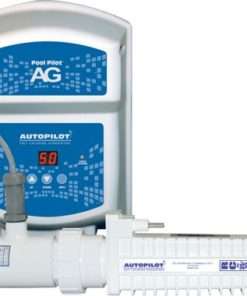
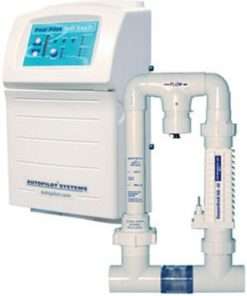
AutoPilot DN1 Salt Chlorine Generator – Pool Pilot Digital NANO 115V System


Replacement Kit
Salt Chlorine Generators


Detail Description
Which is easier to maintain saltwater or chlorine pool?
Saltwater pools are typically easier to maintain than chlorine pools, as they require less frequent cleaning. However, chlorine pools are often more effective at killing bacteria and algae. It is important to choose a pool that will work best for your needs, and to consult with a professional pool builder or installer to determine the best option for your pool.
Is salt cheaper than chlorine for pools?
There is no definitive answer to the question of whether salt is cheaper than chlorine for pools. It depends on a number of factors, including the size and type of pool, the frequency and type of maintenance required, and local prices. In general, though, it seems that salt may be cheaper than chlorine for pools in some cases.
Which is more expensive saltwater or chlorine pool?
It can be a bit difficult to decide which pool type is more expensive- saltwater or chlorine. Let’s take a look at the costs:
To start, on average, it takes about twice as much salt to create the same amount of chlorine as it does water. So, if you have a 50-gallon pool that needs 1,000 gallons of chlorine to produce 25 pounds of salt (an equivalency ratio of 2.5), it will cost you $2,500 in chlorine alone! Plus, if your pool needs additional chemicals or treatments (such as winterization), you’ll end up spending an additional $1,000 – $2,000 per year.
On the other hand, a 50-foot by 100-foot saltwater pool will cost you an estimated $19,000 for construction and maintenance – compared to just $6,500 for a typical chlorinated pool. So if money is tight and you only have limited budget available for your new pool project, go with saltwater!
Why is a chlorine pool better than salt?
A chlorine pool is a better choice than a salt pool when it comes to keeping your swimming area bacteria- and fungus-free. Chlorine kills both of these organisms, while salt only kills the algae. In addition, chlorine is less corrosive than salt, so it will not damage the pool liner or equipment. Finally, chlorine does not form chloramines, a type of pollution that can cause respiratory problems in humans.