
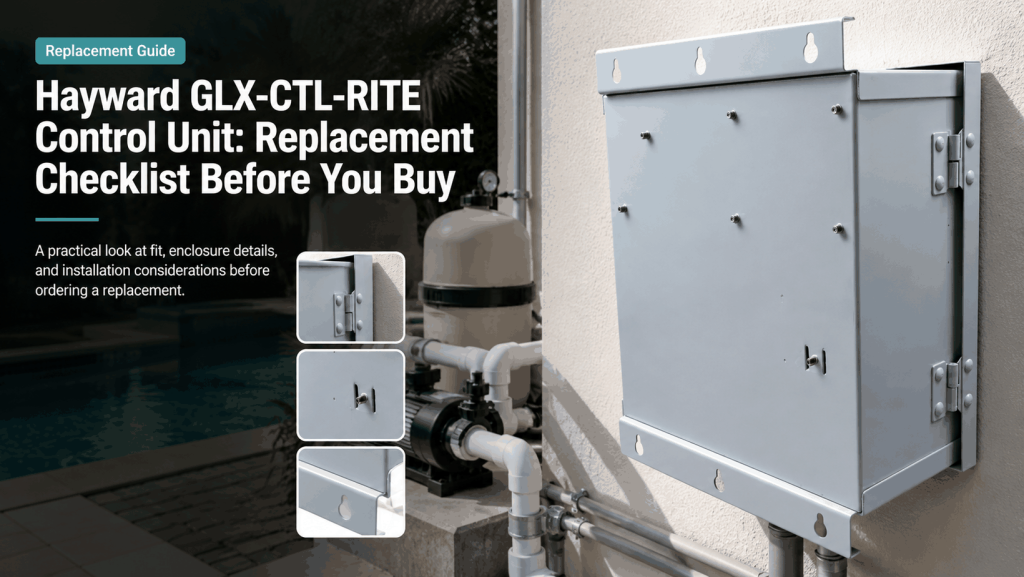
The Hayward GLX-CTL-RITE Control Unit is a major AquaRite replacement component, and buying it to solve an unconfirmed display or chlorination problem can be expensive. The controller, display board, main PCB, transformer, rectifiers, flow switch, cell, and wiring all participate in system operation. Begin with external evidence: photograph the control label and display, record LEDs […]
Category Archives: guide
19
Aug
Aug
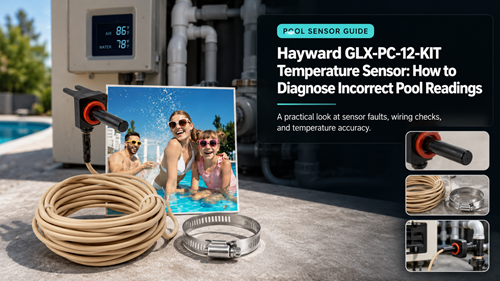
The Hayward GLX-PC-12-KIT Temperature Sensor is a 10K thermistor-style replacement used in compatible Hayward pool-control applications. When the displayed water temperature is wrong, the sensor is an obvious suspect, but cable damage, poor mounting, moisture at a connection, the wrong input, or a controller problem can produce similar symptoms. Start with a safe comparison test. […]
17
Aug
Aug
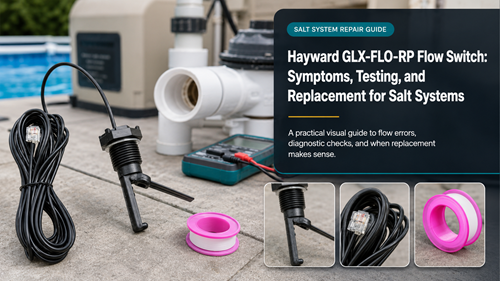
The Hayward GLX-FLO-RP Flow Switch is a safety input that tells a compatible salt system whether adequate water flow is present. When the controller reports no flow, the switch may be faulty, but it is only one part of the flow path and should not be the first component replaced automatically. Start outside the control […]
30
Jun
Jun
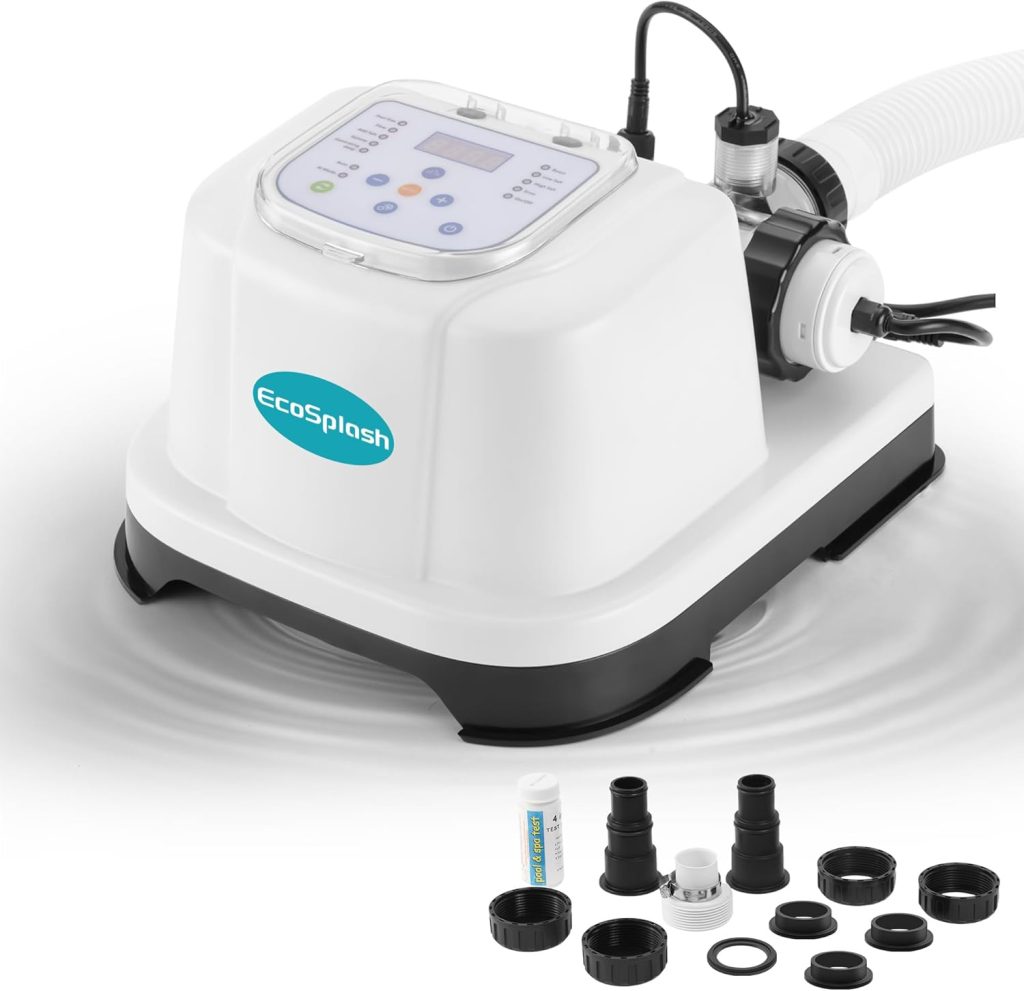
Quick Answer Most salt chlorinator problems come from one of five causes: low salt, poor water flow, a dirty salt cell, incorrect output settings, or an aging cell. Start troubleshooting with the easiest checks first. Confirm water level, pump flow, salt reading, and cell cleanliness before replacing parts. If the system is undersized or no […]
30
Jun
Jun
Quick Answer Salt cell cleaning is needed when white mineral scale, weak chlorine output, low salt warnings, or inspect cell alerts appear even though the pool water is balanced. A light cleaning can restore performance if the cell plates are only scaled. However, cleaning will not fix worn coating, cracked housing, failed sensors, weak cable […]

26
Jun
Jun
Quick Answer Salt chlorinator compatibility depends on more than the shape of the salt cell. You must match the cell model, control board, power center, connector, software support, plumbing size, flow requirement, and pool capacity. A cell that looks similar may still fail if the system cannot read it correctly or power it safely. Use […]
16
May
May
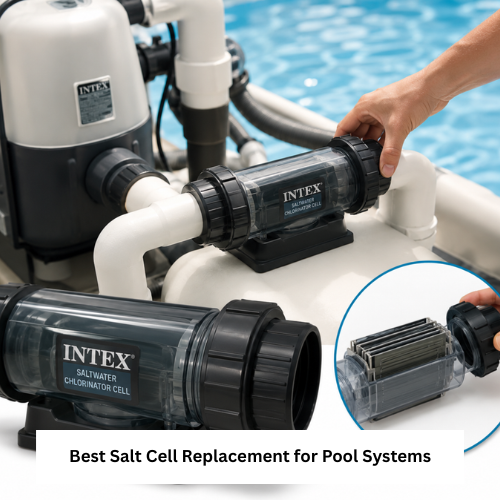
Quick Answer The best salt cell replacement is the one that matches your chlorinator model, pool size, plumbing connection and chlorine output rating. Do not buy only by price. A low-cost cell can become expensive if it is undersized, incompatible, or fails early. For most pool owners, the safest approach is to confirm the control […]
07
May
May
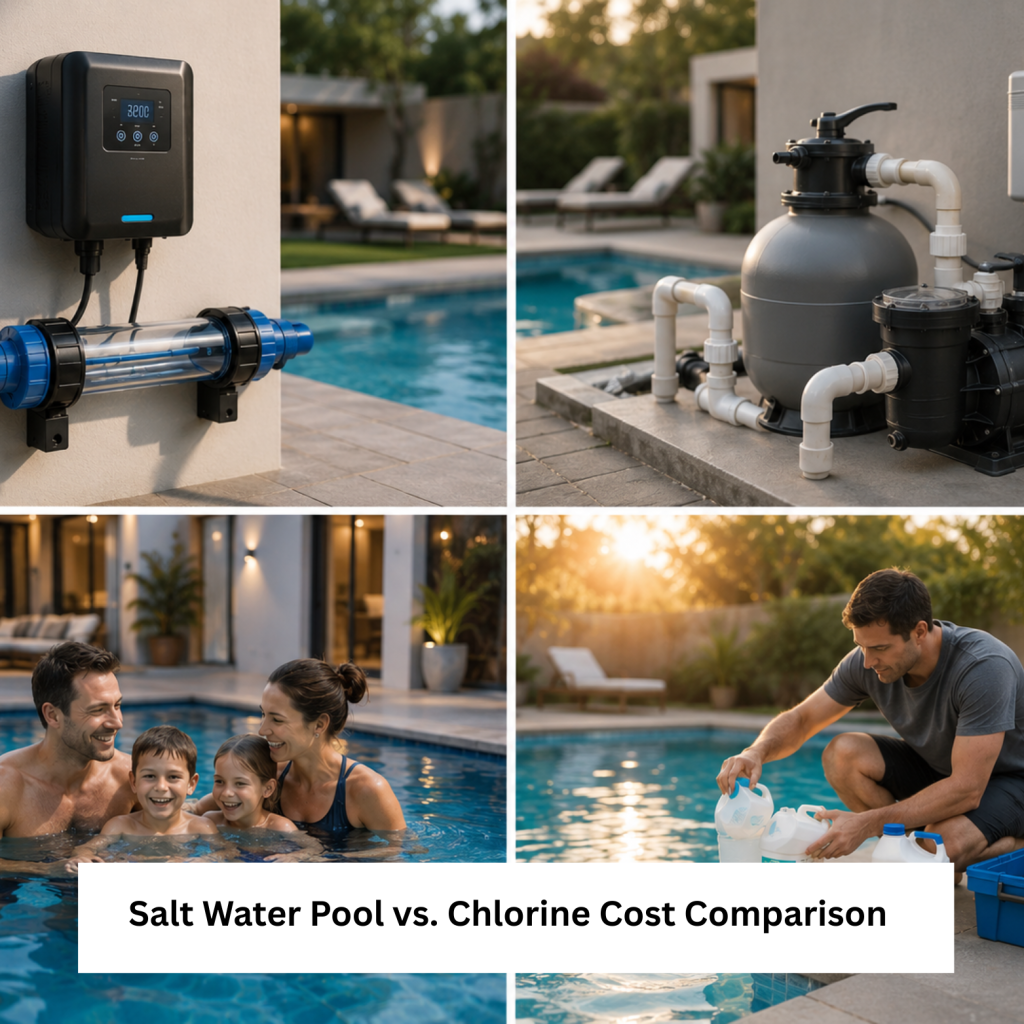
Pool owners often ask the same question when choosing a system, and understanding the Salt Water Pool vs. Chlorine Cost Comparison can help you decide which option saves more money in the long run. While both systems effectively keep your pool clean, they differ in upfront costs, maintenance expenses, and long-term value. When browsing through […]
30
Apr
Apr
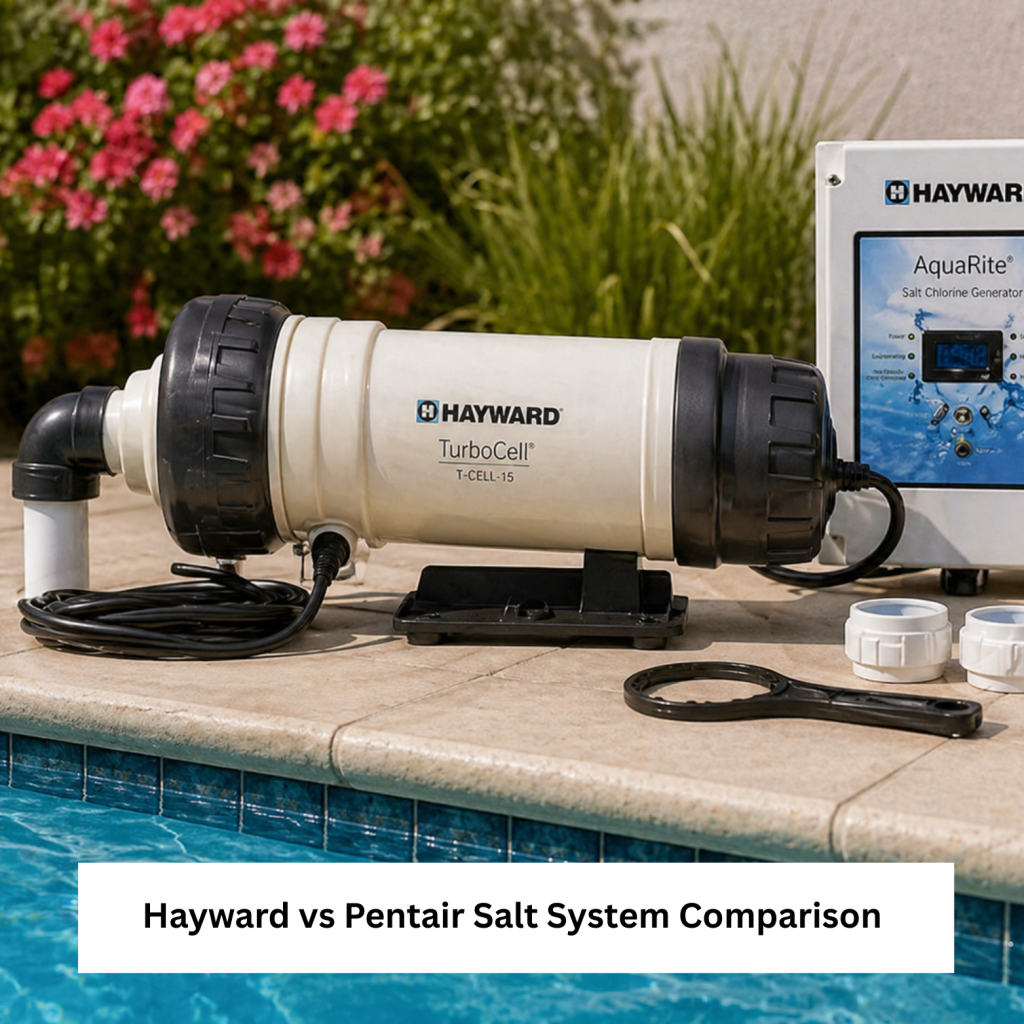
Quick Answer Hayward and Pentair both offer strong salt systems, but the better choice depends on your existing equipment, pool size, replacement cell cost and automation setup. Hayward is often popular with Aqua Rite style systems and broad replacement cell availability. Pentair is often preferred by pool owners already using Pentair automation, pumps, or IntelliChlor […]
guide
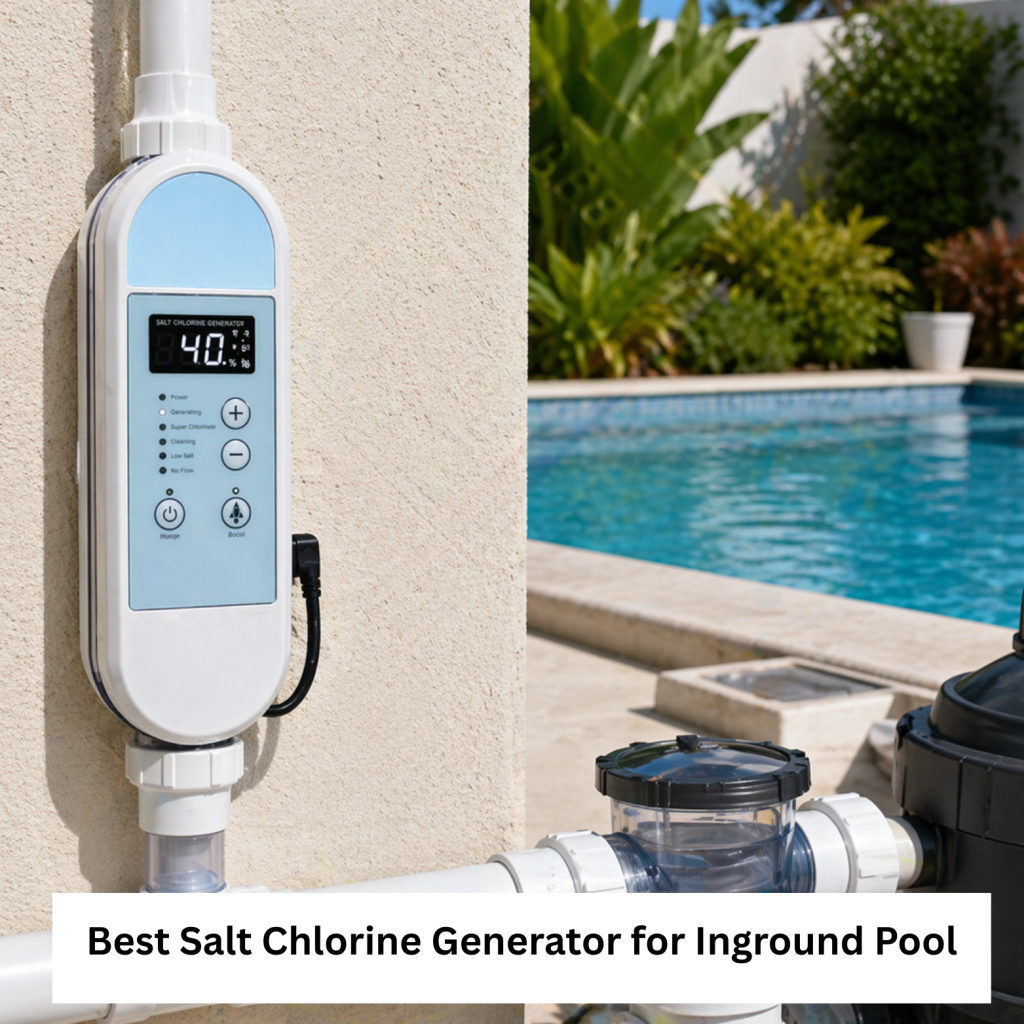
Best Salt Chlorine Generator for Inground Pool – Powerful, Low-Maintenance & Crystal-Clear Water Solution
22
Apr
Apr
Your pool need not feel like a full-time job to clean. Selecting the ideal salt chlorine generator for your inground pool can enhance water quality, simplifying maintenance. Methods requiring constant monitoring of chemical handling and chlorine A salt system is less harsh and more balanced. Advanced systems for modern pool owners are available at saltchlorinegenerators.com/shop. […]
- 1
- 2