
Quick Answer
Salt cell cleaning is needed when white mineral scale, weak chlorine output, low salt warnings, or inspect cell alerts appear even though the pool water is balanced. A light cleaning can restore performance if the cell plates are only scaled. However, cleaning will not fix worn coating, cracked housing, failed sensors, weak cable connections, or an undersized cell that is working too hard for the pool.
Before replacing anything, compare symptoms with this salt cell replacement guide. If the cell is still physically sound, clean it carefully and retest output. If warnings return quickly, replacement is usually the stronger long-term move.
Why Salt Cells Get Dirty
A salt cell works by passing an electrical charge through dissolved salt in pool water. This process creates chlorine inside the plumbing line, but it also encourages calcium and mineral scale to build on the cell plates. Scale blocks the plates, reduces chlorine output, and makes the control system work harder.
Pool chemistry controls how quickly this buildup forms. High pH, high calcium hardness, low water flow, high water temperature, and long pump run times can all increase scale. This is why salt cell cleaning should be part of routine salt pool maintenance, not only an emergency fix.
If the system is new or recently installed, review the salt chlorinator installation guide to make sure flow direction, pump runtime, and plumbing setup are correct.
Clean vs Replace Decision Table
| Situation | Best Action | Reason |
| Light white scale on plates | Clean the cell | Mineral buildup may be blocking chlorine production. |
| Cell is clean but output stays weak | Test water and inspect system | Low salt, poor flow, or control issues may be involved. |
| Scale returns after every short cycle | Check water balance first | High pH or calcium can cause repeated buildup. |
| Cracked housing or damaged cable | Replace the cell | Cleaning cannot repair electrical or structural damage. |
| Old cell with repeated warnings | Replace the cell | Plate coating may be worn beyond recovery. |
How to Clean a Salt Cell Safely
Always turn off power before removing the salt cell. Close valves if needed, relieve pressure, and follow the system manual. Then inspect the plates with a light. If scale is minor, rinse the cell first with a hose. Do not scrape plates with metal tools because the coating can be damaged.
- Turn off power to the salt chlorinator and pump before removing the cell.
- Rinse loose debris with clean water before using any cleaning solution.
- Use a proper cleaning stand or tool so liquid contacts the plates safely.
- Use acid only when scale is visible and water rinsing is not enough.
- Avoid repeated aggressive cleaning because it can shorten cell life.
- Reinstall the cell, restore water flow, then retest chlorine output after a full cycle.
For safer maintenance, check useful items in the tools category and compare replacement options in the replacement kit category.
Common Salt Cell Cleaning Mistakes
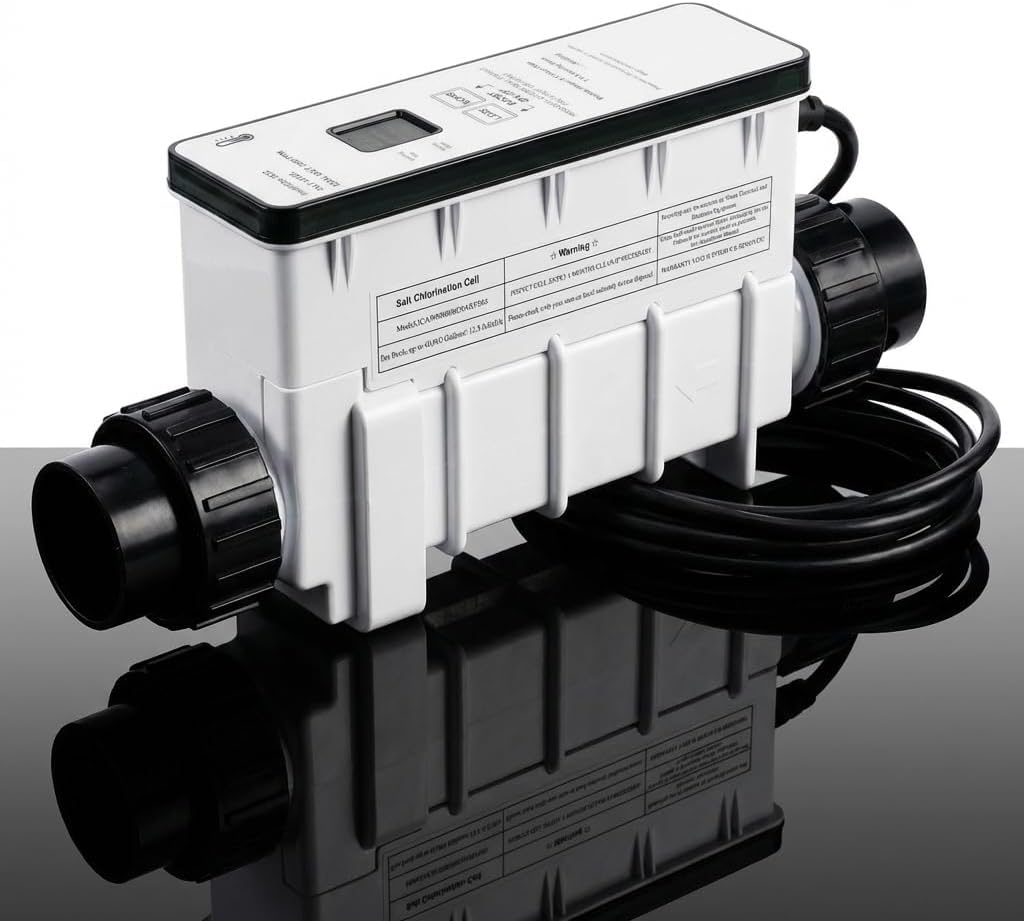
The biggest mistake is cleaning too often with strong acid. Acid removes scale, but it can also weaken the coating that helps the cell produce chlorine. Another mistake is assuming every warning means the cell is dead. A dirty filter, closed valve, low pump speed, or low salt reading can create similar alerts.
A third mistake is ignoring water chemistry after cleaning. If pH and calcium are still high, scale will return quickly. Cleaning should always be followed by a chemistry check, not treated as a complete fix by itself.
Salt Cell Cleaning Schedule
| Pool Use Level | Inspection Frequency | Cleaning Frequency |
| Light residential use | Every 4 to 6 weeks | Only when scale is visible |
| Heavy summer use | Every 2 to 4 weeks | As needed after inspection |
| Hard water area | Every 2 to 3 weeks | More often, but with gentle methods |
| High temperature region | Every 2 to 4 weeks | As needed based on output |
When Replacement Is Better Than Cleaning
Replacement becomes the smarter choice when a clean cell still cannot produce enough chlorine. This often happens when the cell plates have reached the end of their useful life. It can also happen when a smaller cell has been forced to run at high output for too long.
Before choosing a new cell, review the best salt chlorinator guide if the entire system may be undersized. For brand decisions, the Hayward vs Pentair salt system comparison can help you understand system differences before buying parts.
Final Verdict
Salt cell cleaning is worth doing when the cell has visible scale and the housing is still in good condition. It is a low-cost maintenance step that can restore performance quickly. However, cleaning should not be used to delay a necessary replacement when the cell is old, damaged, or repeatedly showing warnings after proper water balance.
The best approach is simple: inspect, clean gently, balance water, retest output, then replace only when the symptoms prove the cell is no longer reliable.
FAQs
How often should I clean a salt cell?
Inspect it every few weeks during heavy pool use and clean it only when scale is visible or output drops.
Can I clean a salt cell with vinegar?
Some owners use mild solutions, but always follow the manufacturer guidance. Heavy scale may require a stronger approved cleaner.
Why does my salt cell get dirty so fast?
High pH, calcium hardness, warm water, and low flow can speed up scale buildup.
Does cleaning make a salt cell last longer?
Careful cleaning can help performance, but aggressive acid cleaning too often may shorten lifespan.
Should I clean or replace my salt cell?
Clean first if scale is visible. Replace it when warnings return after cleaning and water balance checks.
