
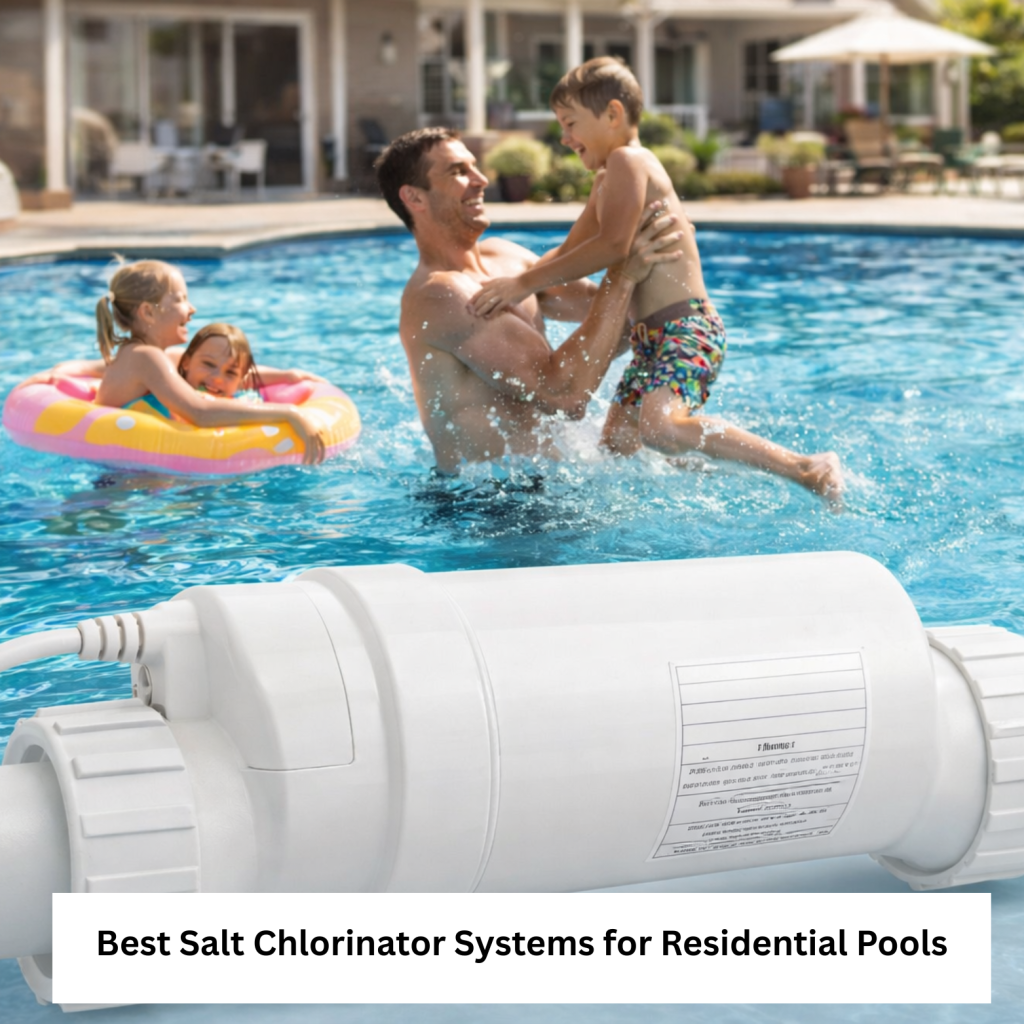
Quick Answer
The best salt chlorinator for a residential pool is a system that can produce enough chlorine for your pool size without running at maximum output all season. Choose a model rated above your actual pool gallons, confirm whether it fits inground or above ground pools, and check replacement cell availability before buying.
For most homeowners, the right salt chlorinator should be easy to install, simple to clean, compatible with existing plumbing, and supported by available replacement parts. You can compare complete options in the salt chlorine generators category and review parts in generator kits before choosing.
What Does a Salt Chlorinator Do?
A salt chlorinator uses electrolysis to convert dissolved salt into chlorine. The pool still uses chlorine, but the system creates it automatically from salt in the water. This helps reduce manual chlorine handling and keeps sanitation steadier when the unit is sized correctly.
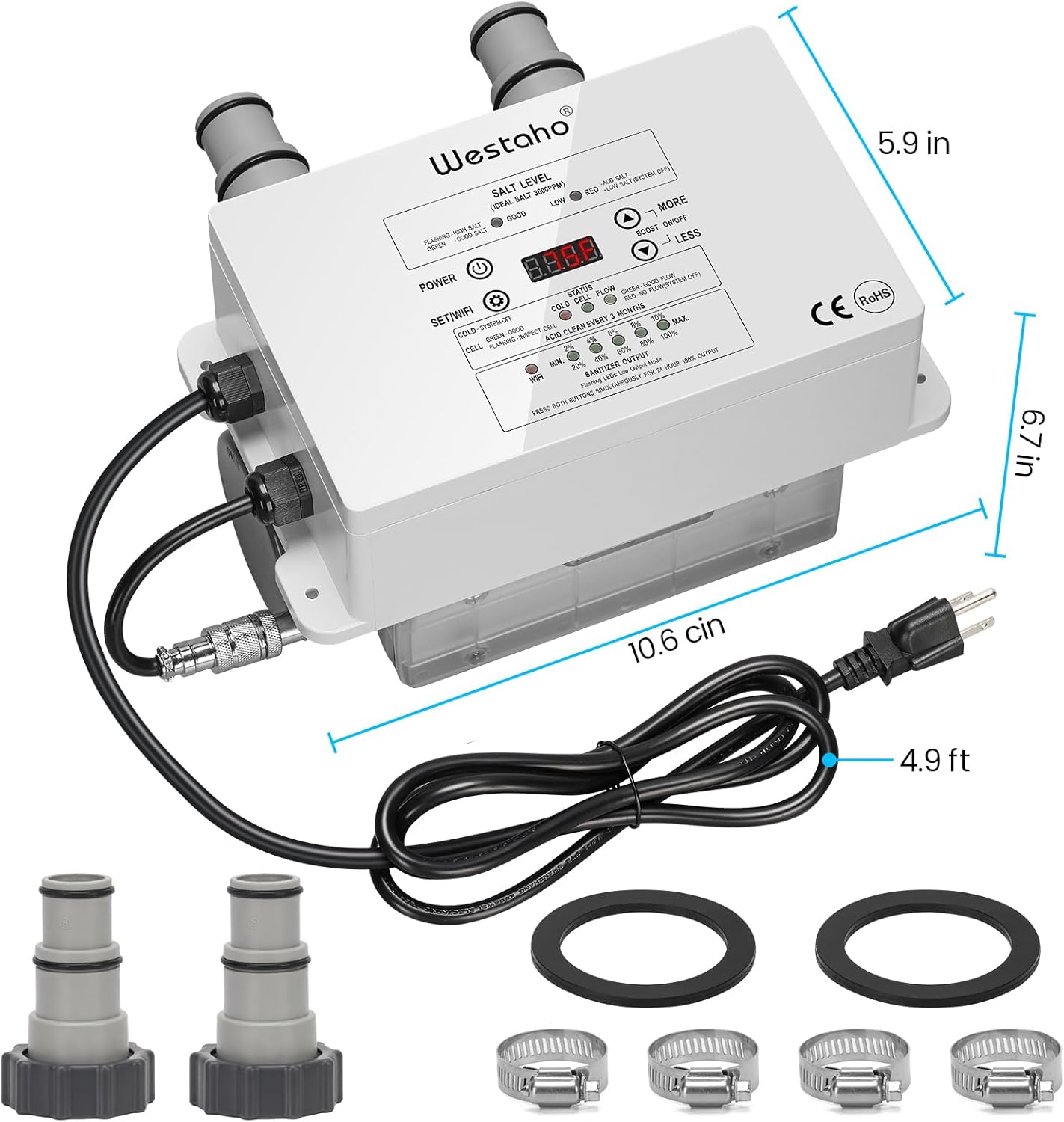
The system usually includes a control unit, salt cell, flow detection, power supply and plumbing connections. Some systems include timers, app controls, self-cleaning cycles, or digital output settings. The main buying decision is not just brand. It is whether the system can meet your pool demand reliably.
Salt Chlorinator vs Salt Chlorine Generator
Many pool owners use the terms salt chlorinator and salt chlorine generator interchangeably. Both describe a system that generates chlorine from saltwater. However, product pages may use different wording, so search both terms when comparing products. A salt chlorinator often refers to the complete sanitation system, while the salt cell is the replaceable part inside that system.
If you are replacing an existing unit, review the salt cell replacement guide before buying a complete new setup. A working control box may only need a new cell, while an older failing system may need a full replacement.
Best Salt Chlorinator Decision Matrix
| Pool Situation | Recommended Choice | Why It Helps |
| Small above ground pool | Compact above ground salt system | Lower output can match smaller water volume |
| Medium residential inground pool | Oversized residential chlorinator | Runs lower output and handles summer demand |
| Large inground pool | High-output salt chlorinator | Prevents weak chlorine during heat and heavy use |
| Hard water area | Self-cleaning salt cell system | Helps reduce scale buildup on plates |
| Older salt system failing often | Complete replacement kit | Refreshes cell, control, and related components |
| Budget replacement need | Compatible aftermarket or entry system | Lowers upfront cost when compatibility is confirmed |
How to Choose the Best Salt Chlorinator
Start with pool volume. A chlorinator rated exactly at your pool size may still struggle in hot weather, heavy swimmer load, or long sunny days. Choosing a system with extra capacity gives the unit more breathing room. It can run at a lower percentage and may reduce wear over time.
Next, check pool type. Some chlorinators are designed for above ground pools, while others are designed for inground plumbing and larger water volumes. The installation method, union size, voltage, and control setup may differ. Use the salt chlorinator installation guide before planning a setup change.
Finally, compare replacement parts. A great system is only useful if replacement cells, flow switches, unions, cleaning stands and power components are easy to find. This is one reason the replacement kit category should be checked before buying a new system.
Features That Matter Most
- Pool gallon rating that is higher than your actual water volume.
- Clear chlorine output controls and easy-to-read status indicators.
- Self-cleaning polarity reversal to reduce scale buildup.
- Available replacement salt cells and control parts.
- Simple unions, cable connections and installation requirements.
- Reliable flow detection and salt level alerts.
- A warranty and return policy that match the price level.
Inground vs Above Ground Salt Chlorinators
| Feature | Inground Pool System | Above Ground Pool System |
| Typical pool size | Medium to large pools | Small to medium pools |
| Installation | More permanent plumbing setup | Often simpler and more compact |
| Output need | Higher chlorine production | Lower to moderate production |
| Best buyer | Long-term homeowners | Seasonal or budget-conscious pool owners |
| Internal resource | Compare complete generator systems | Read above ground pool salt system guide |
Above ground pool owners should also review the above ground pool salt system guide. It explains the difference between easy seasonal systems and stronger setups for larger above ground pools.
Common Buying Mistakes
- Buying a system rated too close to the pool size.
- Ignoring replacement cell cost before buying the full unit.
- Choosing a model without checking plumbing compatibility.
- Assuming saltwater means zero chlorine maintenance.
- Skipping salt level, calcium hardness and pH control.
- Buying a chlorinator before checking whether the old cell can be replaced.
Maintenance After Installation
A salt chlorinator still needs regular care. Salt level, pump runtime, pH, alkalinity and calcium hardness all affect chlorine production. If the water chemistry is poor, even the best salt chlorinator can perform badly. Use a reliable test method and correct the water before blaming the unit.
During peak summer, inspect the cell and review output percentage weekly. If chlorine drops, increase pump runtime or output gradually. Clean the cell only when needed, and use proper cleaning tools from the tools category.
Final Verdict
The best salt chlorinator is the one that fits your pool size, installation type and maintenance expectations. A slightly oversized, well-supported system is usually better than a cheap unit running at full output every day. The right system should keep chlorine steady, make maintenance easier, and offer replacement parts when the cell eventually wears out.
Before buying, compare pool capacity, salt cell lifespan, self-cleaning ability, installation needs and replacement part availability. This simple checklist will prevent most salt system buying mistakes.
FAQs
What size salt chlorinator do I need?
Choose a system rated above your pool gallons, especially for hot climates, heavy use, or long swim seasons.
Is a salt chlorinator good for residential pools?
Yes, when sized correctly. It can automate chlorine production and reduce manual chemical handling.
Do salt chlorinators work for above ground pools?
Yes, but choose a model designed for above ground pool volume, plumbing and pump setup.
How often should a salt cell be cleaned?
Clean only when scale is visible or the system recommends cleaning. Over-cleaning can shorten cell life.
Should I replace the cell or the whole chlorinator?
Replace the cell if the control system is healthy. Replace the full system if the control box, wiring or sensors are also failing.
