
Quick Answer
The best salt cell replacement is the one that matches your chlorinator model, pool size, plumbing connection and chlorine output rating. Do not buy only by price. A low-cost cell can become expensive if it is undersized, incompatible, or fails early. For most pool owners, the safest approach is to confirm the control box model first, then compare cell rating, warranty, plate quality and maintenance requirements.
Before buying, also check the current cell condition, salt level, flow switch, and power center. Sometimes a weak reading is caused by scale, low water flow, or incorrect salt level, not a dead cell. Browse compatible options in the replacement kit category and compare complete systems in salt chlorine generators before making a final decision.
What Is a Salt Cell and Why Does It Need Replacement?
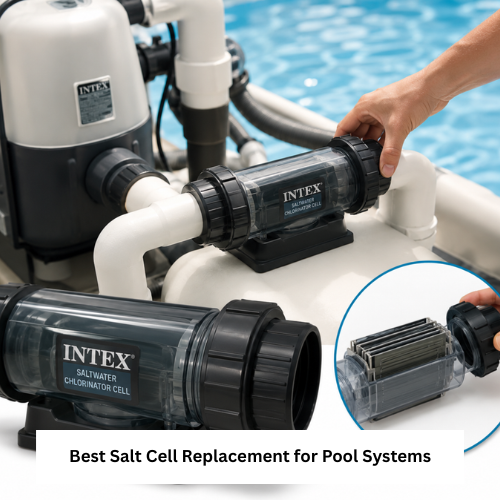
A salt cell is the part of a salt chlorine generator that converts dissolved pool salt into chlorine. It contains coated metal plates, usually titanium-based, that work through electrolysis. Over time, those plates lose efficiency because of scale, wear, water chemistry issues, and normal use. When output drops, the pool may look cloudy even when the salt system appears to be running.
A replacement cell restores chlorine production without replacing the entire system. This is why choosing the best salt cell replacement matters. The right cell helps maintain steady sanitation, reduces manual chlorine use, and keeps the existing control system useful for longer. However, the wrong cell may trigger error lights, weak output, or warranty problems.
Signs You Need a Salt Cell Replacement
- The system shows low output even after cleaning and balancing salt levels.
- The pool turns cloudy or green while the chlorinator says it is running.
- The control panel shows cell error, inspect cell, no flow, or low salt warnings repeatedly.
- The cell plates have heavy scale, damaged coating, cracks, or visible corrosion.
- The cell is older than its expected service life and needs frequent cleaning.
- Chlorine production drops during hot weather even when pump runtime is increased.
Clean the cell before replacing it, especially if the plates have mineral buildup. Use the correct cleaning tool or stand from the tools category and avoid harsh acid overuse. Strong acid can remove scale, but repeated aggressive cleaning can also shorten the coating life.
Salt Cell Replacement Decision Table
| Situation | Likely Cause | Best Action |
| Low chlorine but no error | Undersized cell, short pump runtime, or hot weather demand | Increase runtime and verify cell output rating |
| Low salt warning after testing salt is normal | Cell sensor issue or worn cell plates | Clean and retest, then replace if warning returns |
| Heavy white scale on plates | High calcium, high pH, or poor water balance | Clean cell and correct water chemistry |
| Cell older than 4 to 7 years | Normal coating wear | Plan replacement before peak pool season |
| New cell gives error immediately | Compatibility or cable issue | Check control box model and connector type |
 How to Choose the Best Salt Cell Replacement
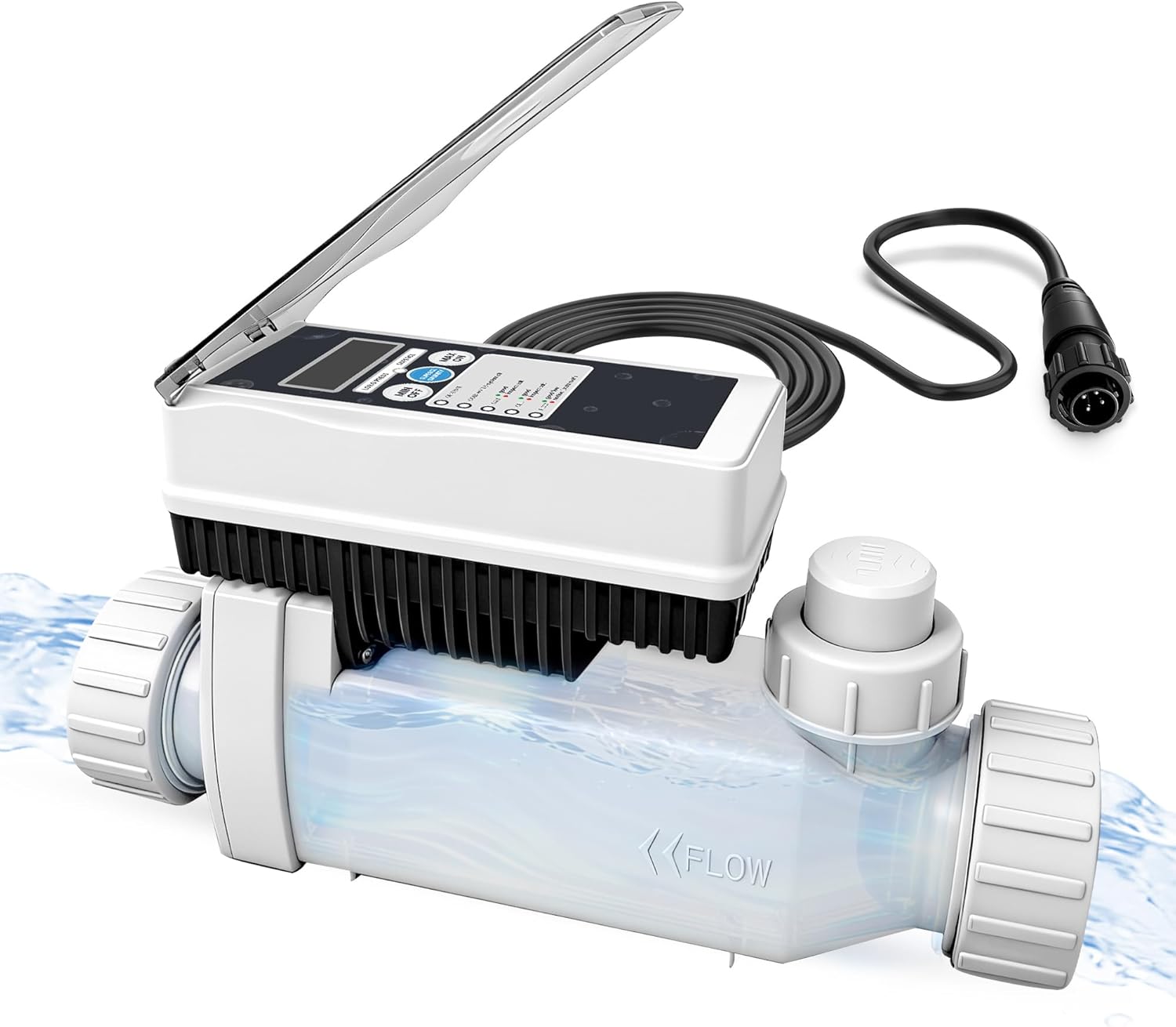
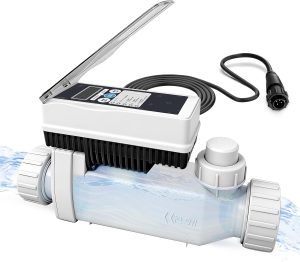
Start with compatibility. Match the replacement cell to the exact control box or power center. Many brands have similar-looking cells, but connectors, software, amperage and flow requirements may differ. A cell designed for one system may not communicate correctly with another.
Next, check pool capacity. A cell rated for a larger pool usually works less aggressively than a cell operating at its limit. For example, a 40,000 gallon rated cell on a smaller pool may run at a lower percentage and may last longer. However, it still must be compatible with the control system.
Also compare warranty terms, cleaning method, union size, cable length, self-cleaning cycles, and brand reputation. If you are replacing a full older setup, a complete option from generator kits may make more sense than replacing only the cell.
OEM vs Aftermarket Salt Cells
| Option | Best For | Main Advantage | Possible Risk |
| OEM salt cell | Owners who want exact brand compatibility | Most predictable fit and support | Higher upfront cost |
| Aftermarket salt cell | Budget-focused replacement buyers | Lower price and wider availability | Compatibility and warranty vary |
| Complete replacement kit | Older systems with multiple worn parts | Refreshes more than the cell alone | Costs more than a single cell |
| Full new system | Failing control box or outdated setup | Modern features and better support | Requires more installation work |
OEM cells are usually the safest choice for exact replacement. Aftermarket cells can be useful when the model is well-reviewed and clearly compatible. However, buyers should verify part numbers, return policy and system fit before ordering. For high-use pools, reliability should matter more than saving a small amount upfront.
Salt Cell Lifespan and Maintenance Tips
A salt cell usually lasts several seasons, but lifespan depends on pool size, water balance, pump runtime, salt level and cleaning habits. A cell working at 100 percent output all summer will wear faster than one sized correctly. Poor water chemistry also forces the cell to work harder and causes scale buildup.
- Use a pool salt calculator to keep salt within the recommended range.
- Keep pH, alkalinity and calcium hardness balanced to reduce scale.
- Inspect the cell monthly during heavy use.
- Clean only when scale is visible or the system recommends cleaning.
- Avoid using metal tools on coated plates.
- Winterize the cell properly if the pool is closed seasonally.
When a Replacement Cell Is Not Enough
A new cell will not fix every salt system problem. If the power center, flow switch, sensor, transformer, wiring or control board is failing, the cell may still show errors. This is why troubleshooting matters before buying. If the unit is very old, the better investment may be a new salt chlorinator rather than another cell.
Pool owners comparing a cell replacement against a complete system should read the best salt chlorinator guide. It explains how system size, chlorine output and installation requirements affect long-term value.
Final Verdict
The best salt cell replacement is not always the cheapest cell. It is the replacement that matches your control box, supports your pool size, fits your plumbing, and delivers reliable chlorine output. For newer systems with a healthy control box, replacing only the salt cell is usually smart. For older systems with repeated power, board or sensor issues, a complete system may be the better long-term choice.
Choose compatibility first, then compare lifespan, cleaning needs, warranty and real pool demand. This approach protects your water quality and prevents repeat purchases.
FAQs
How do I know which salt cell replacement I need?
Check your control box model, original cell model, pool gallon rating, connector type and plumbing union size before buying.
Can I replace a salt cell myself?
Many pool owners can replace a cell if the plumbing unions and cable connection match. Electrical or full system work should be handled carefully.
How long does a salt cell last?
Many cells last several seasons, but lifespan depends on pool use, water chemistry, output percentage and cleaning habits.
Should I buy OEM or aftermarket?
OEM is safer for exact compatibility. Aftermarket may save money, but only use a clearly compatible model with a solid return policy.
Why does my new salt cell still show low salt?
The issue may be calibration, sensor failure, flow problems, wiring, or the control board, not the new cell itself.
