

A timely salt cell replacement may be necessary when a saltwater pool can no longer maintain chlorine even though the water chemistry, salt level, circulation, and system settings appear correct. Low chlorine alone does not prove that the cell has failed, so owners should complete a structured inspection before purchasing a replacement. A dirty cell, […]
Blog
18
Jul
Jul
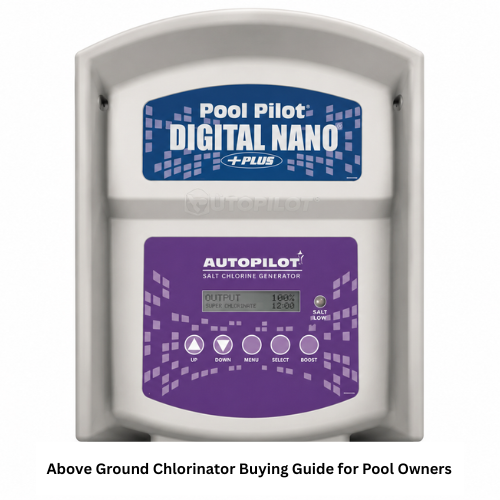
An above ground chlorinator should match the pool’s actual water volume, circulation system, plumbing size, power supply, and seasonal chlorine demand. Choosing only by price or an advertised maximum pool size can result in weak sanitation, complicated installation, or equipment that does not connect correctly. Above-ground pools vary widely in shape, pump size, filter type, […]
08
Jul
Jul
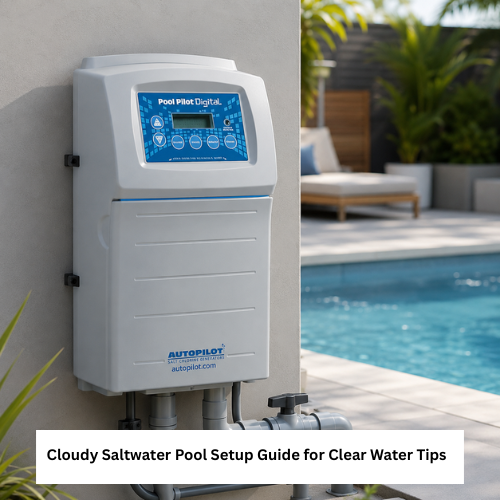
A cloudy saltwater pool after setup can happen when salt has not fully dissolved, the filter needs more run time, water balance is off, or the sanitizing system has not stabilized yet. Pool owners should test the water, check circulation, inspect the filter, and verify system settings before adding more products. Cloudy water is not […]
06
Jul
Jul
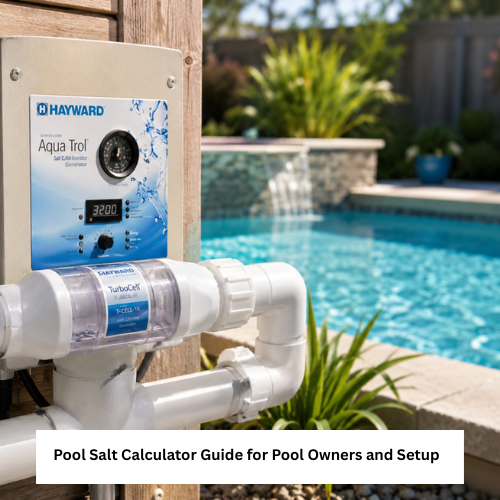
A pool salt calculator helps pool owners estimate how much salt to add by comparing pool volume, current salt reading, and the target range listed in the salt chlorine generator manual. This is important because adding too much or too little salt can affect water balance, chlorine output, and system performance. For saltwater pools, salt […]
02
Jul
Jul
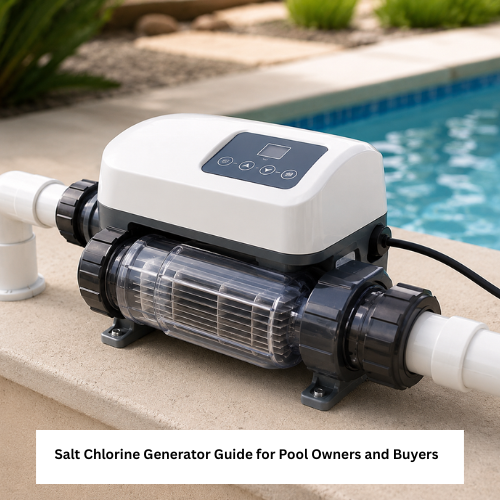
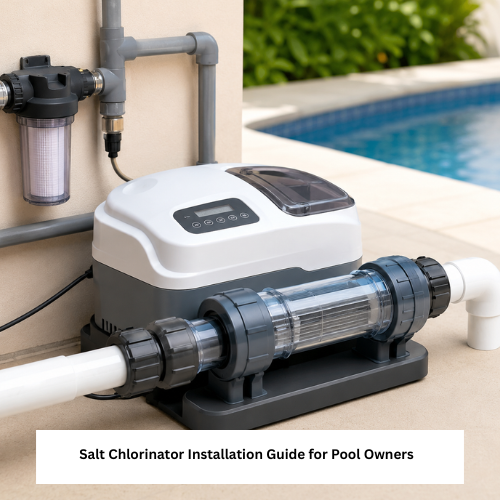
A salt chlorine generator helps pool owners maintain chlorine by converting dissolved pool salt into sanitizer through the system’s salt cell. Before buying one, check your pool size, plumbing setup, power requirements, salt cell compatibility, control features, replacement parts, and maintenance needs. A good system should match your pool type, pool volume, water chemistry routine, […]
01
Jul
Jul
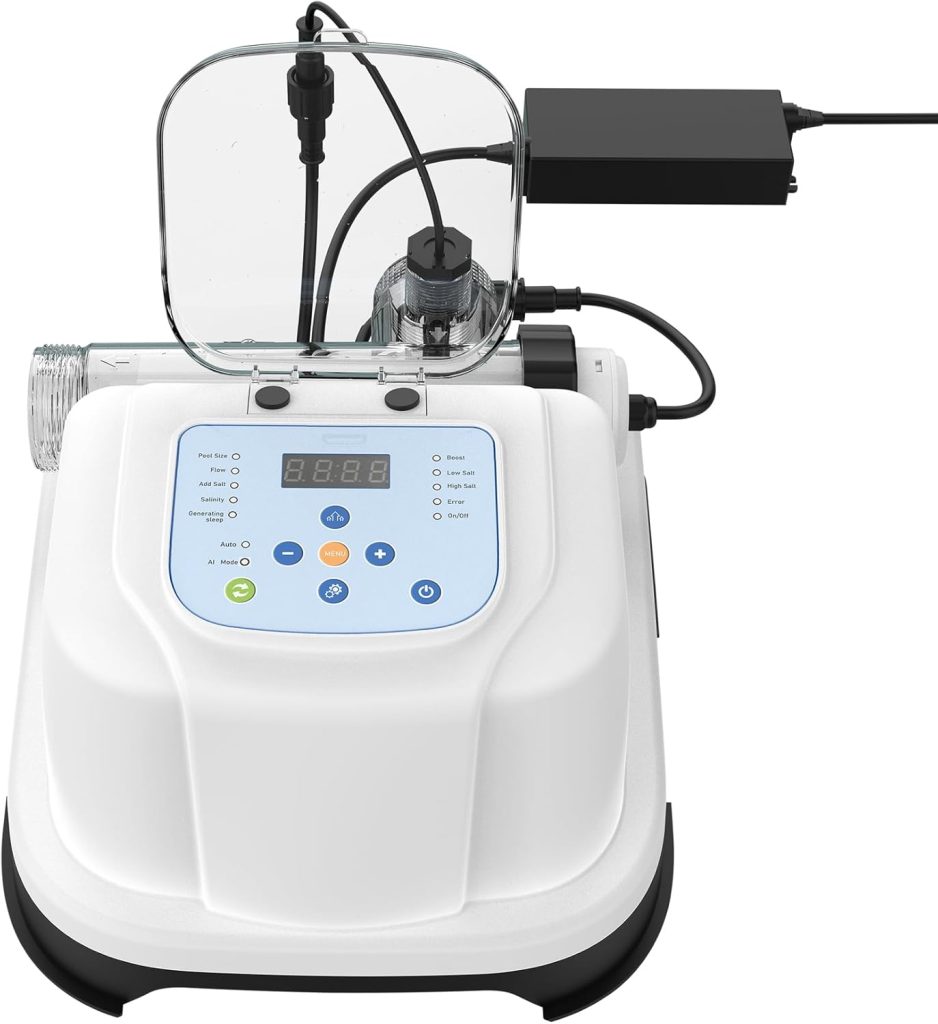
A salt chlorinator installation should be plan carefully because the system must match your pool plumbing, electrical setup, water chemistry, salt level, and salt cell placement. Beginners should review the manual, check compatibility, and avoid guessing with plumbing or wiring. This guide explains basic chlorinator setup, salt generator setup, pool salt installation, salt cell setup, […]
30
Jun
Jun
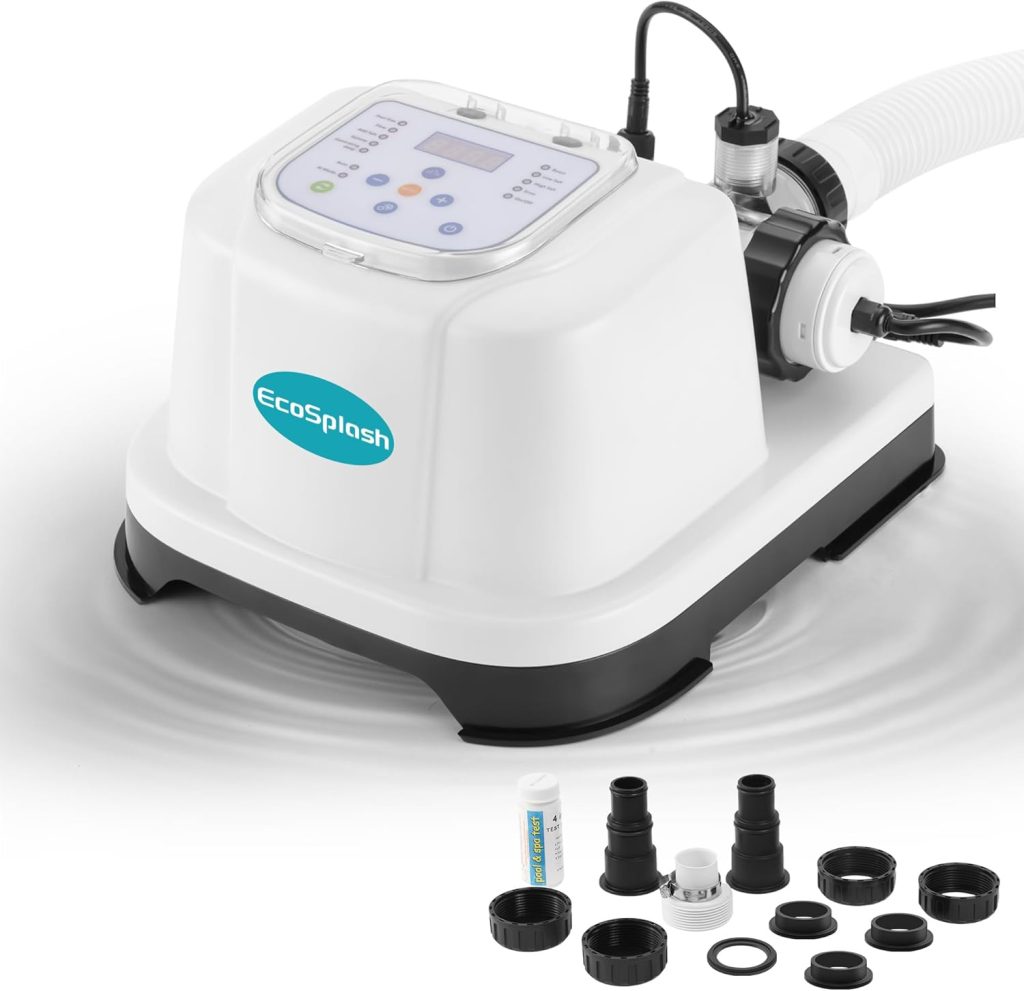
Quick Answer Most salt chlorinator problems come from one of five causes: low salt, poor water flow, a dirty salt cell, incorrect output settings, or an aging cell. Start troubleshooting with the easiest checks first. Confirm water level, pump flow, salt reading, and cell cleanliness before replacing parts. If the system is undersized or no […]
30
Jun
Jun
Quick Answer Salt cell cleaning is needed when white mineral scale, weak chlorine output, low salt warnings, or inspect cell alerts appear even though the pool water is balanced. A light cleaning can restore performance if the cell plates are only scaled. However, cleaning will not fix worn coating, cracked housing, failed sensors, weak cable […]

26
Jun
Jun
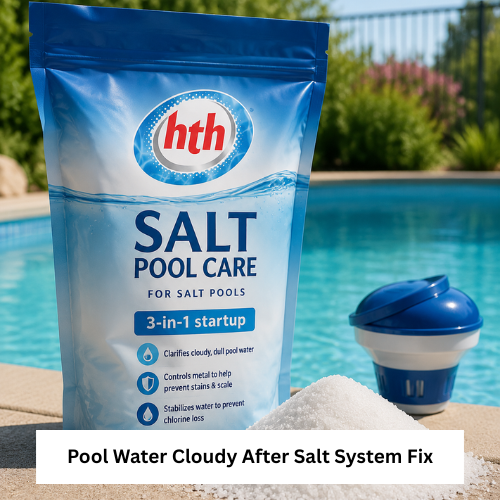
Quick Answer Salt chlorinator compatibility depends on more than the shape of the salt cell. You must match the cell model, control board, power center, connector, software support, plumbing size, flow requirement, and pool capacity. A cell that looks similar may still fail if the system cannot read it correctly or power it safely. Use […]
25
Jun
Jun
A lot of pool owners are switching to salt systems for softer water and less maintenance. Nevertheless, cloudy water can sometimes occur after installing or adjusting a salt chlorinator. Pool water cloudy fixes are often sought out by homeowners once water clarity problems arise. When pool water is cloudy it usually results from a water […]