
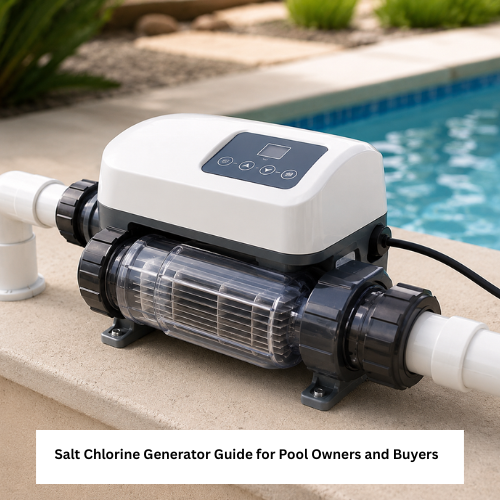
A salt chlorine generator helps pool owners maintain chlorine by converting dissolved pool salt into sanitizer through the system’s salt cell. Before buying one, check your pool size, plumbing setup, power requirements, salt cell compatibility, control features, replacement parts, and maintenance needs.
A good system should match your pool type, pool volume, water chemistry routine, and installation comfort level. You can also browse salt chlorine generators when comparing pool salt systems, chlorinator kits, replacement cells, and pool maintenance products in one place.
Salt Chlorine Generator Buying Factors
A salt chlorine generator should be selected by pool size first. If the system is too small for your pool, it may struggle to keep up with sanitizer demand during hot weather, heavy swimming, or high sunlight exposure.
Check whether the product is designed for inground pools, above-ground pools, spas, or specific plumbing layouts. If gallon rating, voltage, pipe size, flow switch details, or warranty information is unclear, verify before buying.
Pool Salt System and Chlorinator Types
A pool salt system may include a control unit, salt cell, flow switch, unions, fittings, and installation hardware, depending on the model. Do not assume every listing includes the same parts.
Some systems are made for full pool conversion, while others may be replacement units for an existing setup. Read the product description carefully and confirm compatibility with your current pool equipment.
Saltwater Chlorinator vs Standard Chlorine Maintenance
A saltwater chlorinator still produces chlorine, but it does it from dissolved salt in the water. It does not mean the pool is chlorine-free.
Buyers should understand that salt level, water balance, cell cleaning, pump runtime, and system output settings still matter. A saltwater pool system can reduce some manual dosing, but it still needs regular testing and maintenance.
| Buyer Need | What to Check | Why It Matters | Verify Before Buying |
| Pool size match | Gallon rating and output | Helps the system keep up with demand | Pool volume and system capacity |
| Plumbing fit | Pipe size, unions, flow switch | Prevents installation mismatch | Fittings and installation parts |
| Power setup | Voltage and control box location | Supports safe electrical planning | Electrical requirements |
| Salt cell life | Replacement cell availability | Affects long-term maintenance | Compatible replacement cells |
| Water chemistry | Salt range, pH, stabilizer needs | Helps prevent performance issues | Manual and test requirements |
| Warranty support | Warranty and return details | Important for high-value equipment | Seller and product terms |
Pool Chlorine Generator Compatibility Checks
A pool chlorine generator must be compatible with your pool equipment and water flow. Check pump size, pipe layout, flow direction, installation space, and whether the control unit can be mounted safely.
If you are replacing an old system, do not assume every new salt cell fits your current controller. Match model numbers, cell type, unions, cables, and control box compatibility before ordering.
Salt Cell and Replacement Planning
The salt cell is one of the most important parts of the system. It should be sized correctly and should have replacement options available.
Before buying, check salt cell replacement options so you understand long-term maintenance and future part availability. If the product does not clearly mention replacement cell compatibility, verify before buying.
You can also compare a salt chlorine generator example if you want to understand common product styles before choosing a system.
Setup Tips Before Ordering
Measure the plumbing space where the cell will be installed. Check whether there is enough straight pipe, space for unions, and access for future service.
Plan where the control panel will go. It should be accessible, protected from unsafe placement, and installed according to the product manual. Electrical work should follow local rules, and a qualified professional should handle wiring if required.
Safety and Water Care Notes
Always turn off power before inspecting or servicing pool equipment. Do not open electrical parts while the system is powered.
Test pool water regularly. Salt level, pH, alkalinity, stabilizer, calcium hardness, and chlorine level can affect system performance. Follow the manual for your exact unit and do not add salt or chemicals without testing first.
Common Buying Mistakes
Do not buy only by price. A cheaper system may not fit your pool size, plumbing, or replacement-part needs.
Do not ignore salt cell compatibility. A mismatched cell or controller can create installation problems and wasted money.
Do not assume “saltwater” means no maintenance. A salt chlorine generator still needs water testing, cell inspection, and proper pool balance.
Troubleshooting Before and After Buying
If a system produces low chlorine, check salt level, water temperature, stabilizer, pump runtime, cell cleanliness, and output setting. If warning lights appear, read the manual before replacing parts.
If flow errors appear, check flow direction, pump operation, filters, valves, and sensor placement. If electrical or wiring issues appear, stop and seek qualified support.
Practical Buying Checklist
- Measure pool volume before choosing system size.
- Verify inground, above-ground, spa, or hot tub compatibility.
- Check pipe size, unions, flow switch, and plumbing space.
- Confirm voltage and electrical installation requirements.
- Review salt cell type and replacement availability.
- Check control panel features and mounting needs.
- Review water chemistry and salt level requirements.
- Check warranty, return policy, delivery, and support.
- Confirm included parts before ordering.
- Verify before buying if capacity, compatibility, or installation details are unclear.
Conclusion
The right salt chlorine generator should match your pool size, plumbing, electrical setup, water chemistry routine, and long-term replacement needs. Choose carefully, verify compatibility, and follow the product manual so the system supports cleaner and easier pool maintenance.
FAQ
What does a salt chlorine generator do?
It converts dissolved pool salt into chlorine through a salt cell to help sanitize pool water.
How do I choose the right size system?
Match the system rating to your pool volume and usage needs. Verify gallon capacity before buying.
Does a saltwater pool still need chlorine testing?
Yes. A saltwater pool still uses chlorine and needs regular water testing.
Can I install a salt chlorine generator myself?
Some buyers may handle basic setup, but plumbing or electrical work may require professional help. Follow local rules and the manual.
What should I verify before buying?
Verify pool size, plumbing fit, voltage, included parts, salt cell compatibility, warranty, return policy, and replacement parts.
