
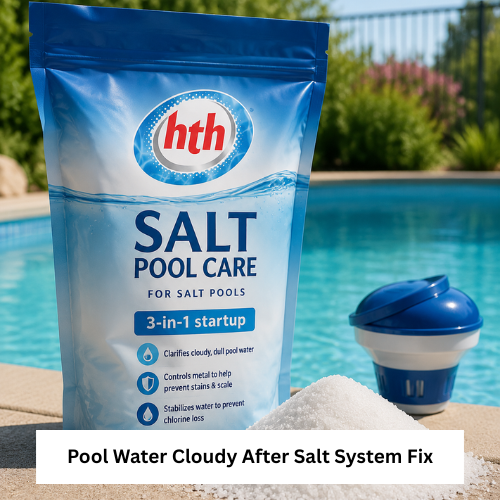
A lot of pool owners are switching to salt systems for softer water and less maintenance. Nevertheless, cloudy water can sometimes occur after installing or adjusting a salt chlorinator. Pool water cloudy fixes are often sought out by homeowners once water clarity problems arise.
When pool water is cloudy it usually results from a water chemistry, filtration or chlorine production issue. Salt systems make maintenance easier, but they still need to be set up and monitored. Most cloudy water issues can generally be rectified through routine testing and maintenance tweaking.
Cloudy pool water is usually caused by chemical imbalance or filtration issues, and even salt systems need proper monitoring, making a Pool Water Cloudy After Salt System Fix helpful for restoring clear water through regular testing and maintenance.
Modern salt chlorinators come equipped with digital controls and self-cleaning technology to minimize maintenance issues. They make pool ownership easier and ensure greater long lasting swimming comfort.
What Causes Pool Water to Cloud after Salt System Use?
Cloudy water typically forms due to water imbalance or insufficient filtration efficiency. When chlorine levels are low, salt levels are out of balance or filter dirty, the clarity of your water can drop quickly.
In addition, a lot of new owners might add the salt too quickly or activate the chlorinator prior to salt dissolving. It may lead to cloudy or murky water for a short period.
Poor circulation issues can also cause cloudy water, as uneven flow leads to improper distribution of chemicals and salt throughout the pool, and using the right Tools for monitoring circulation and maintaining pump performance helps ensure balanced water flow, better filtration, and consistently clear pool conditions.
The cloudiness of a pool after a salt system fix approach can usually be traced back to one specific cause. By ensuring adequate testing of equipment and chemicals, unnecessary adjustments can be avoided and damage to equipment prevented.
| Cause of Cloudy Water | Effect on Pool |
| Low Chlorine Levels | Algae and bacteria growth |
| Dirty Pool Filter | Poor water circulation |
| Incorrect Salt Levels | Reduced chlorinator performance |
| Poor Water Balance | Hazy or dull appearance |
| Calcium Buildup | Cloudy water and scaling |
Essential Steps to Clean Cloudy Saltwater Pools
It is essential to carefully test chlorine, pH, stabilizer and salt levels. With accurate readings, we can easily trace back the source of the clarity problem.
Cleaning the filter system remains extremely important. When filters are dirty, circulation will suffer and they will trap less from the water.
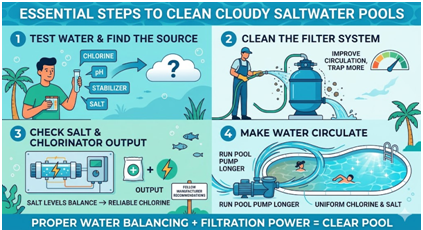
Examine the salt levels and the chlorinator output
Salt chlorinators need correctly balanced for reliable chlorine output. Low levels of salt can influence the efficiency of sanitation systems which in turn can produce cloudy water.
Salt readings adjusted without comparing them with the manufacturer recommendations.
Make Water Circulate
Running the pool pump longer can help with water movement and filtration performance. An improved circulation ensures that the entire swimming pool is saturated in a more uniform manner with chlorine and salt.
The most effective strategies to clear up a cloudy swimming pool from salt water chlorinator fixes depend on proper water balancing and filtration power working best together.
How the Right Maintenance Prevents Cloudy Water
Routine maintenance helps prevent cloudy water problems to a great extent. Testing and cleaning regularly will improve chlorinator performance and will make water healthier.
Pool owners ought to check salt cells for calcium buildup. Dirty cells can impact chlorine production and increase maintenance problems later.
Here are some useful maintenance habits.
- Examine your water chemistry every week.
- Maintain clean pool filters.
- Check salt cells for deposits.
- Keep the salt levels recommended.
Self-cleaning salt chlorinators also help many homeowners. These systems automatically reduce calcium buildup and improve functionality over the long term.
To prevent cloudy pool water after saltwater system fixes, establish a preventive routine and practices for consistent monitoring.
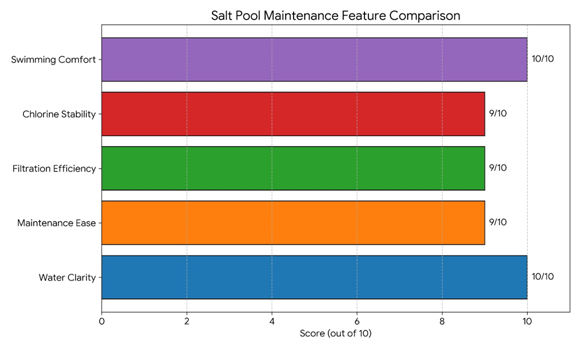
- Saltwater systems have an impressive score of 10/10 when it comes to clarity of water. Saltwater systems generate chlorine continually through the salt cell. Hence, the water remains clear and inviting.
- The water of a salt pool is not as harsh on the skin, eyes and hair. Also rated 10/10, swimming in a salt pool a very pleasant experience.
- The expert’s note rated the maintenance level of the Saltwater pool system a good 9 out of 10. You don’t need to add chemicals on a daily basis with these pools.
How to Select the Correct Salt System for Clear Water
Reliable chlorinators help maintain stable chlorine production and cleaner pool conditions. Pool owners should properly select systems that are appropriate for their pool size and swimming frequency.
Digital monitoring capabilities also greatly enhance ease of maintenance. The simple-to-read controls enable pool owners a better understanding of chlorine generation and salt levels.
Salt chlorinator buyers prefer automatic self-cleaning systems that have automatic controls and durable salt cells. These features improve water quality and lessen maintenance in the long term.
Most effective fix solutions for cloudy pool water after salt system include quality products and regular maintenance habits. The water in the pool is sparkling clear thanks to balanced chemistry and clean filters due to a strong chlorinator.
Modern-day salt systems also provide a softer swimming environment. Chlorine that is Generated Aquatically – An automate chlorine generator can help reduce chemical odor.
Final Conclusion
When cloudy water appears after installing or adjusting a salt system, it is usually caused by filtration issues or water imbalance, and with proper salt levels, circulation, and regular maintenance, the pool can be quickly restored, while salt chlorine generators help maintain consistent chlorine production for cleaner and clearer water.
For long-term results, pool owners should test water, clean filters and monitor chlorinator. The correct salt systems and maintenance help provide cleaner, clearer and more pleasant swimming experiences for years to come.
Features
- Automatic chlorine generation technology
- Self-cleaning salt cell functionality
- Digital salt and chlorine monitoring
- Reduced chemical odor and softer water
- Improved water clarity and pool balance
FAQs
1. Why does pool water become cloudy after adding a salt system?
Cloudy water often results from poor water balance, low chlorine, or inadequate filtration.
2. Can low salt levels cause cloudy pool water?
Yes, low salt levels can reduce chlorine production and affect water clarity.
3. How can I clear cloudy saltwater pool water quickly?
Test water chemistry, clean the filter, improve circulation, and maintain proper chlorine levels.
4. Are self-cleaning chlorinators better for water clarity?
Yes, self-cleaning systems reduce calcium buildup and support more consistent chlorine generation.
5. How often should saltwater pools be tested?
Pool owners should test water chemistry regularly, especially during heavy swimming seasons.
