




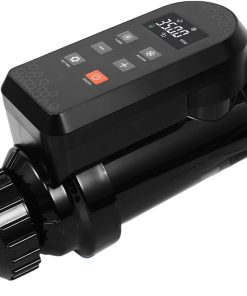
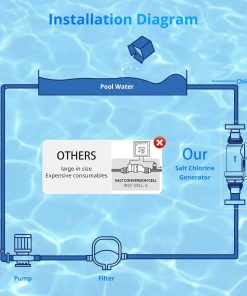


What does a salt cell do for a pool?
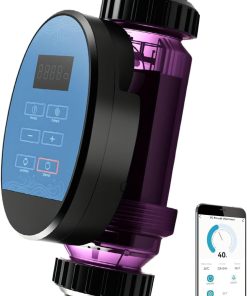
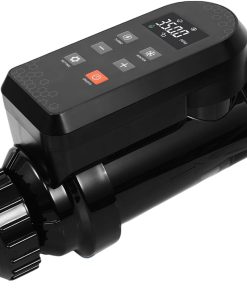
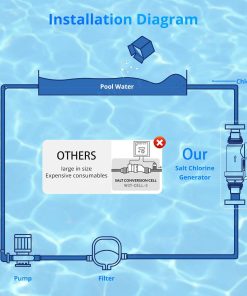
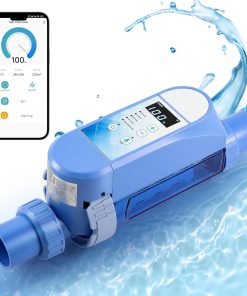
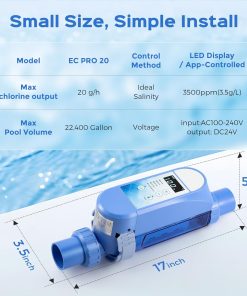
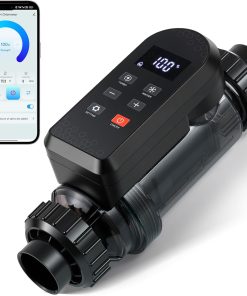
A salt cell is a type of chlorine generator that uses electrolysis to produce chlorine from salt dissolved in water. Salt cells are a popular choice for pool owners because they are relatively low maintenance and can produce a steady supply of chlorine without the need for handling or storing hazardous chemicals. Salt cells typically last for several years before needing to be replaced.
How much does a saltwater cell cost?
If you’re wondering how much a saltwater cell costs, the answer depends on a few factors. The size of the cell, the type of saltwater, and the quality of the cell all play a role in determining price. A small, basic saltwater cell can start as low as $50, while a larger, premium cell can cost several hundred dollars.
The size of the saltwater cell is one of the main factors that determines price. A small cell may be less expensive upfront, but it will need to be replaced more often than a larger one. Larger cells also have the advantage of being able to generate more power, so they may be worth the investment if you plan to use your saltwater generator frequently.
The type of saltwater also impacts cost. If you live in an area with naturally salty water, you’ll likely spend less on your generator than someone who needs to purchase saltwater separately. The quality of the saltwater also matters – higher-quality water will result in a longer-lasting generator.
Finally, the quality of the saltwater cell itself is a factor in determining price. Cheaper cells may not last as long or generate as much power as their more expensive counterparts. When shopping for a generator, be sure to compare prices and read reviews to find the best value for your needs.
Is salt pool better than chlorine?
There are a few key things to consider when trying to decide if a salt pool is right for you. The most important factor is probably cost. A salt pool will typically cost more to maintain than a chlorine pool. The initial investment can also be higher, as you’ll need to purchase a salt generator. Another thing to keep in mind is that salt pools can be harder on your skin and eyes than chlorine pools. If you have sensitive skin or eyes, you may want to stick with a traditional chlorine pool. Finally, it’s important to consider the climate where you live. Salt water can corrode metal, so if you live in an area with high humidity or salty air, a salt pool may not be the best option.
What are the disadvantages of salt water pools?
There are several disadvantages of salt water pools that should be considered before making the switch from a traditional chlorine pool. One of the biggest disadvantages is the initial cost of installing a salt water pool system, which can be quite expensive. Additionally, salt water pools require more maintenance than traditional chlorine pools and the salt itself can be corrosive to pool surfaces and equipment.